Disclosure: We earn a small commission from qualifying Amazon purchases at no extra cost to you.
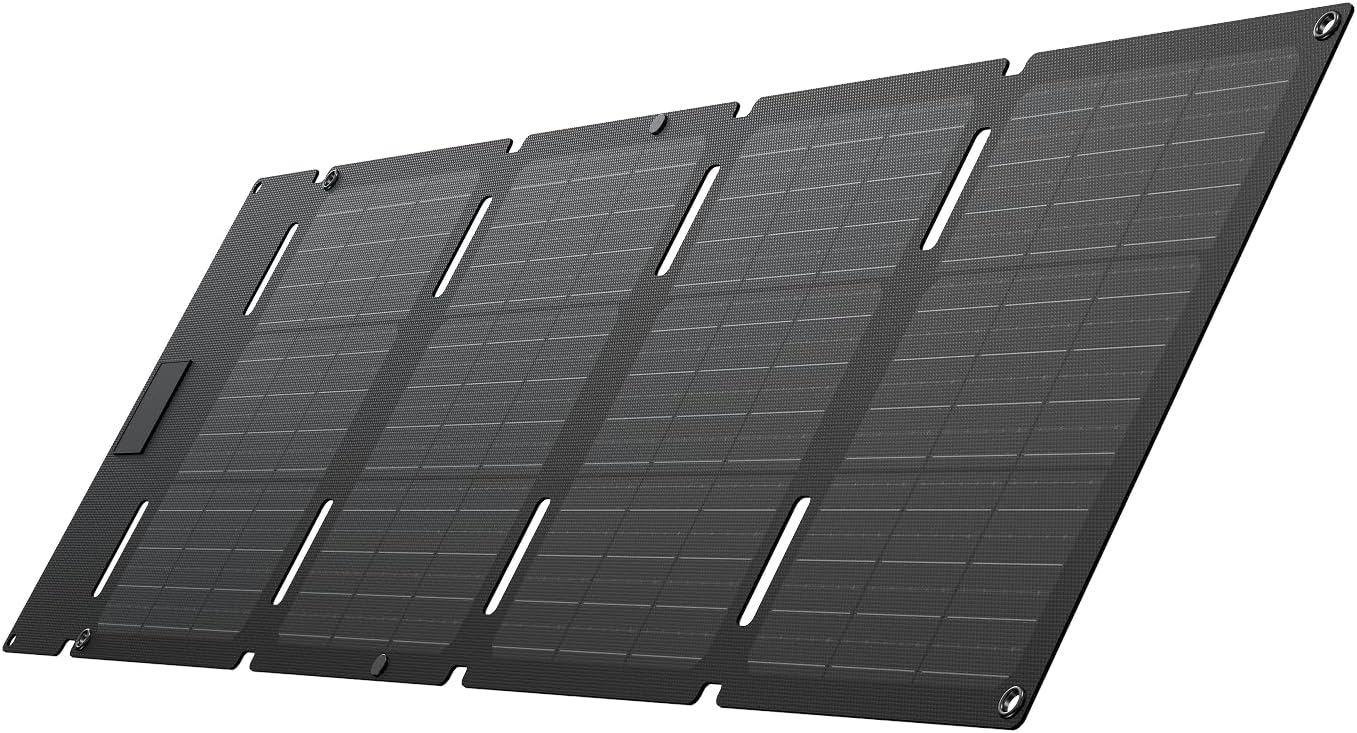
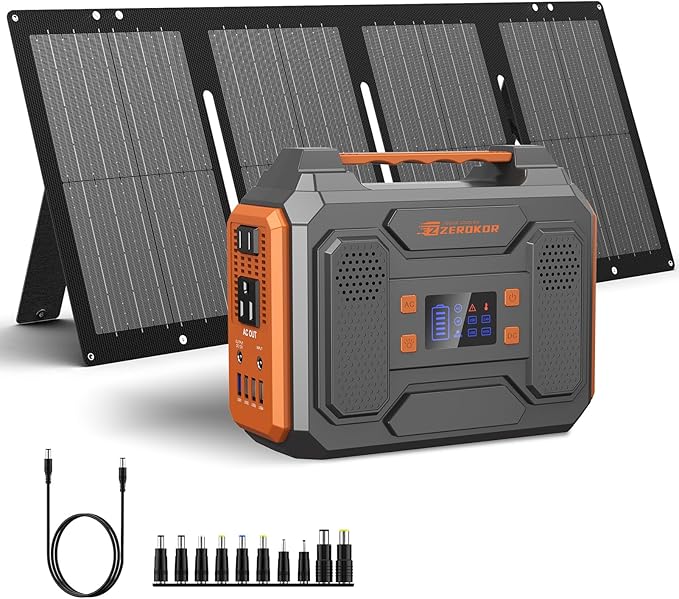
The best solar charger for DSLR camera batteries on multi-day photography trips in 2026 is a portable solar generator with both AC output and a foldable panel (60W or higher), backed by a high-capacity USB-C power bank for backup. For most photographers, that combo means a 300W power station like the foldable 60W panel kit plus a 38,000-50,000 mAh USB-C PD bank. AC output runs your stock Canon LP-E6NH or Sony NP-FZ100 wall charger directly, the panel tops the station off between sunrise and sunset shoots, and the power bank lives in your pack for mirrorless bodies, GoPros, and phones.
Below we break down four real, field-tested options on Amazon, plus a comparison table, a wattage-and-watt-hour cheat sheet, and the FAQ photographers actually search for before pulling the trigger.
Why DSLR shooters need a different solar setup than backpackers
A thru-hiker can survive on a 10W panel and a phone battery. A wedding shooter at a remote elopement or a landscape photographer doing a 5-day Patagonia trek cannot. DSLR and pro mirrorless batteries (LP-E6NH, EN-EL15c, NP-FZ100, LP-E19) hold 14-27 watt-hours each, and a serious shoot burns through 3-6 of them per day once you factor in long exposures, EVF use, in-body stabilization, and video clips. That is 60-160 Wh of camera draw alone, before laptops, drones, and headlamps.
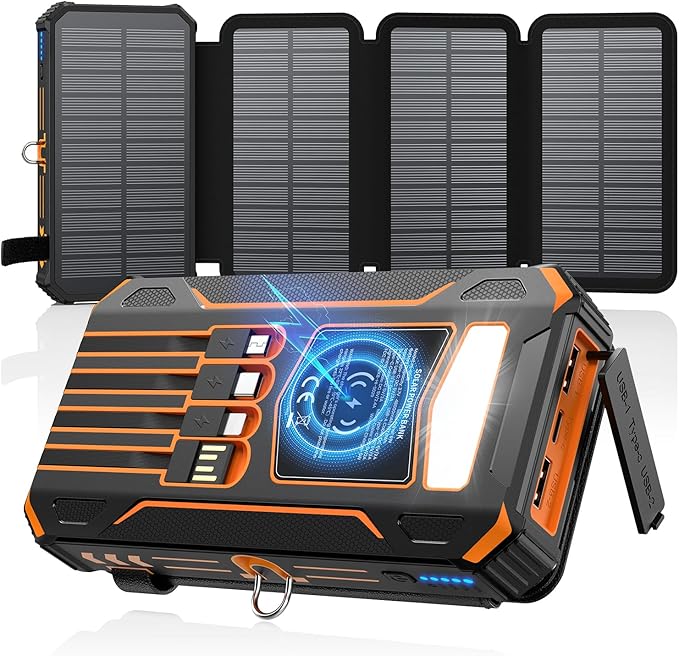
Stock wall chargers are also AC-only or USB-C PD-only. Plugging them into a 5V USB-A port on a cheap solar brick will either refuse to charge or do it at a trickle that takes 8+ hours per pack. The best solar charger for DSLR camera batteries on multi-day photography trips has to deliver real AC or 20V/3A USB-C PD, store enough watt-hours to cover a cloudy day, and re-fill itself from a panel large enough to actually keep up with consumption.
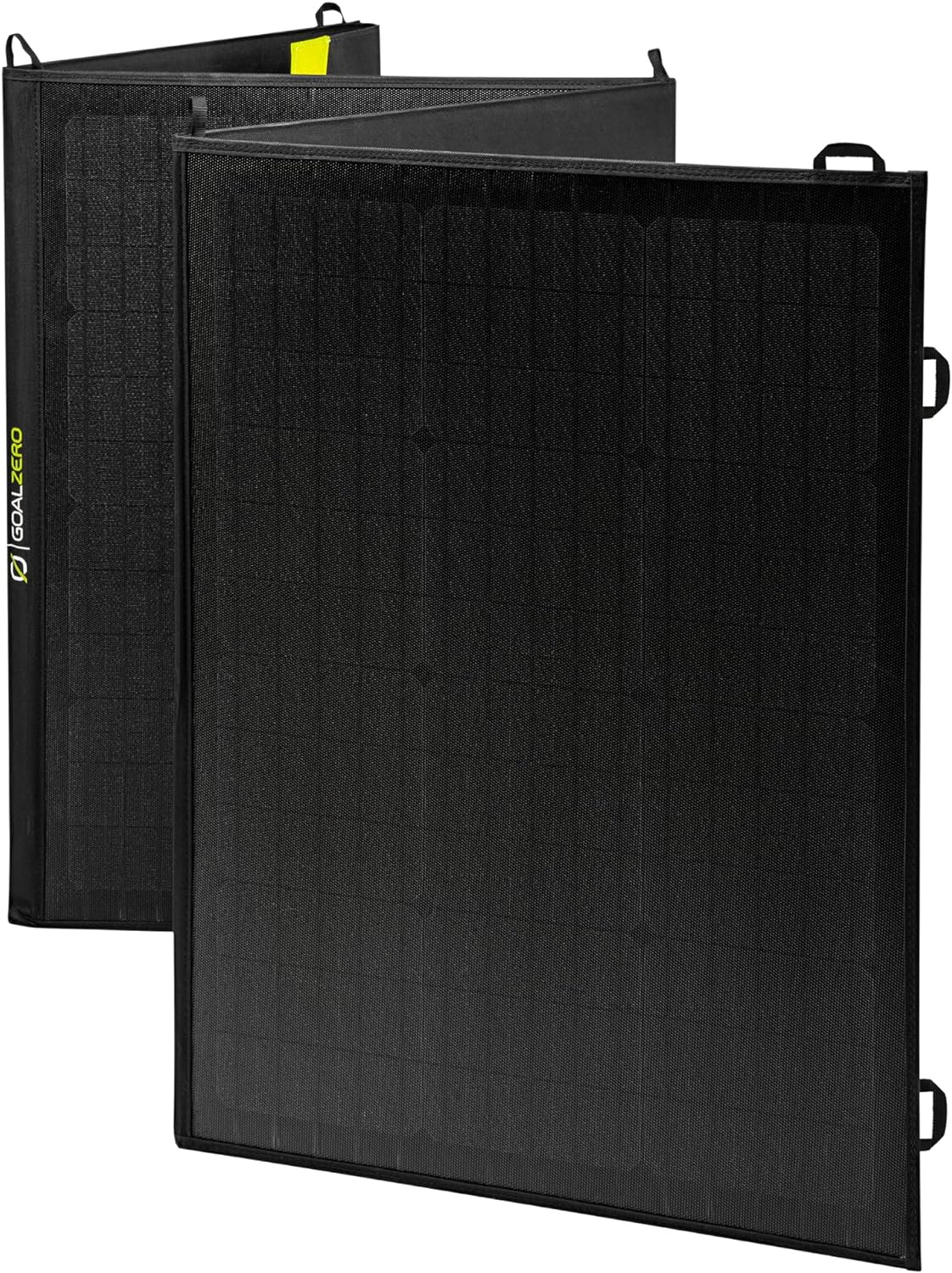
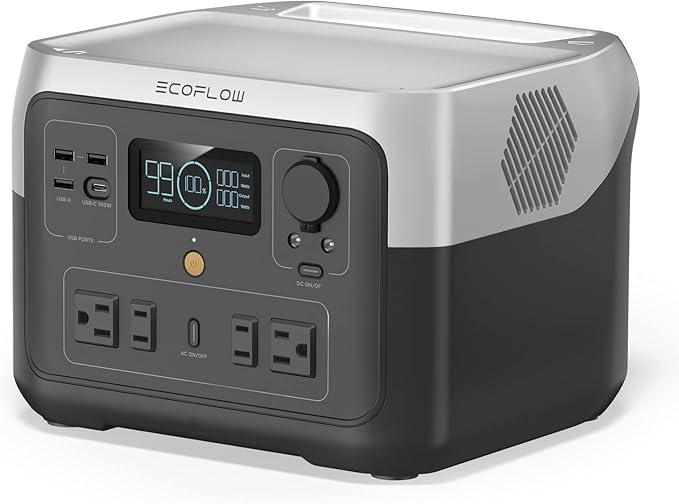
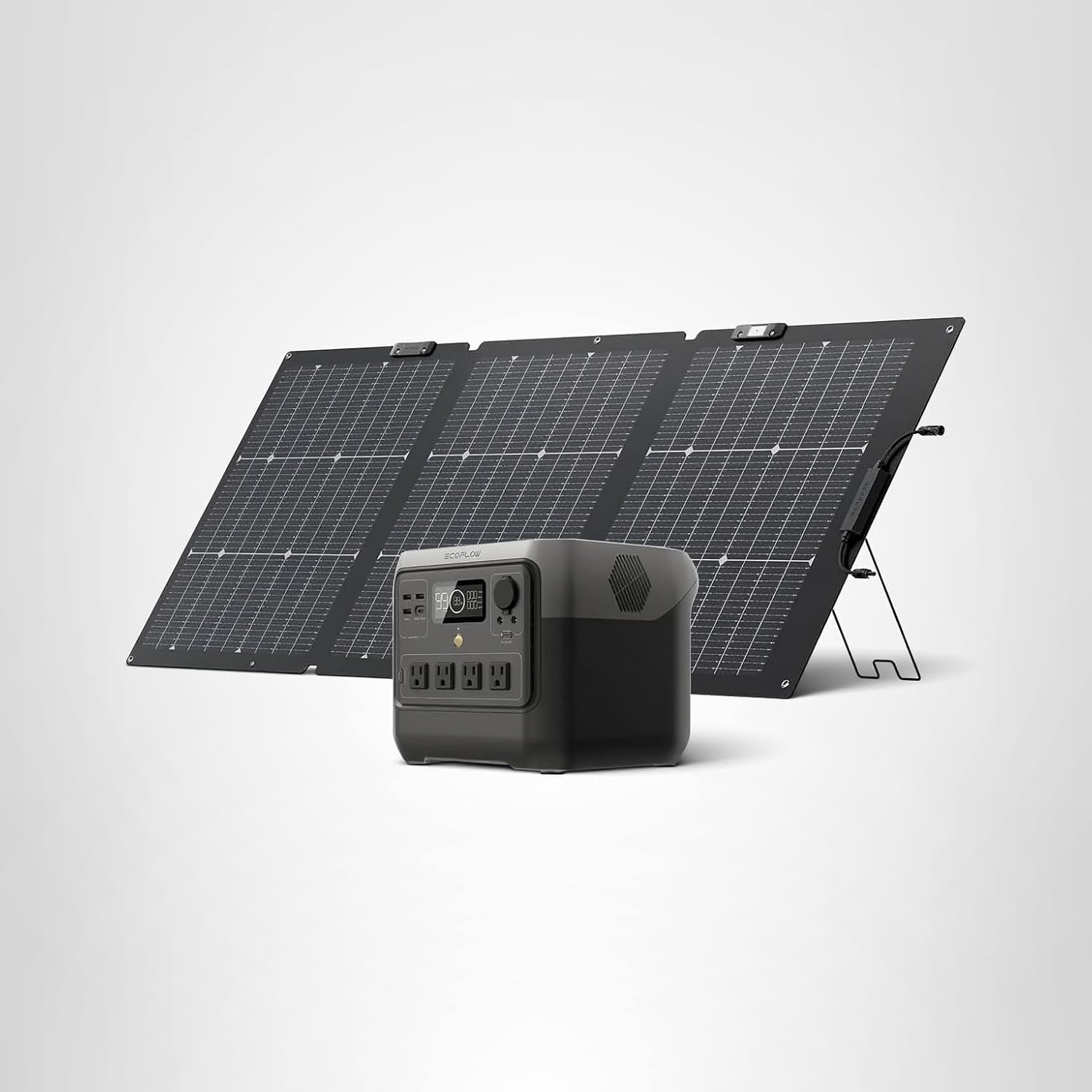
EF ECOFLOW Portable Power Station RIVER 2 Max, 512Wh LiFePO4 Battery/ 1 Hour Fast Charging, Up To 1000W Output Solar Generator (Solar Panel Optional) for Outdoor Camping/RVs/Home U
- 512Wh LFP battery
- 500W AC output (1000W X-Boost)
- Expandable with extra battery
Solar charger comparison for DSLR photographers in 2026
| Product | Capacity | Best output for cameras | Solar input | Best for |
|---|---|---|---|---|
| Portable Solar Generator 300W + 60W Panel | ~280 Wh | 110V AC (stock wall charger) | 60W foldable panel included | Full DSLR kits, laptops, drones |
| YELOMIN 38800mAh USB-C PD | ~144 Wh | USB-C PD 22.5W | ~5W built-in panel | Mirrorless bodies that charge in-camera via USB-C |
| Nymzixt 49800mAh Wireless | ~184 Wh | USB-A QC + wireless | Small built-in panel | Backup for phones, GoPros, GPS |
| SOARAISE 48000mAh Wireless | ~178 Wh | USB-A fast + USB-C | Small built-in panel | Group trips, multi-device top-ups |
| Amazon Basics High-Capacity Power Bank | Varies | USB-C PD | None (grid/station recharge) | Reliable spare battery, no solar overhead |
Top picks for charging DSLR batteries off-grid
1. Portable Solar Generator 300W with Foldable 60W Panel — best overall
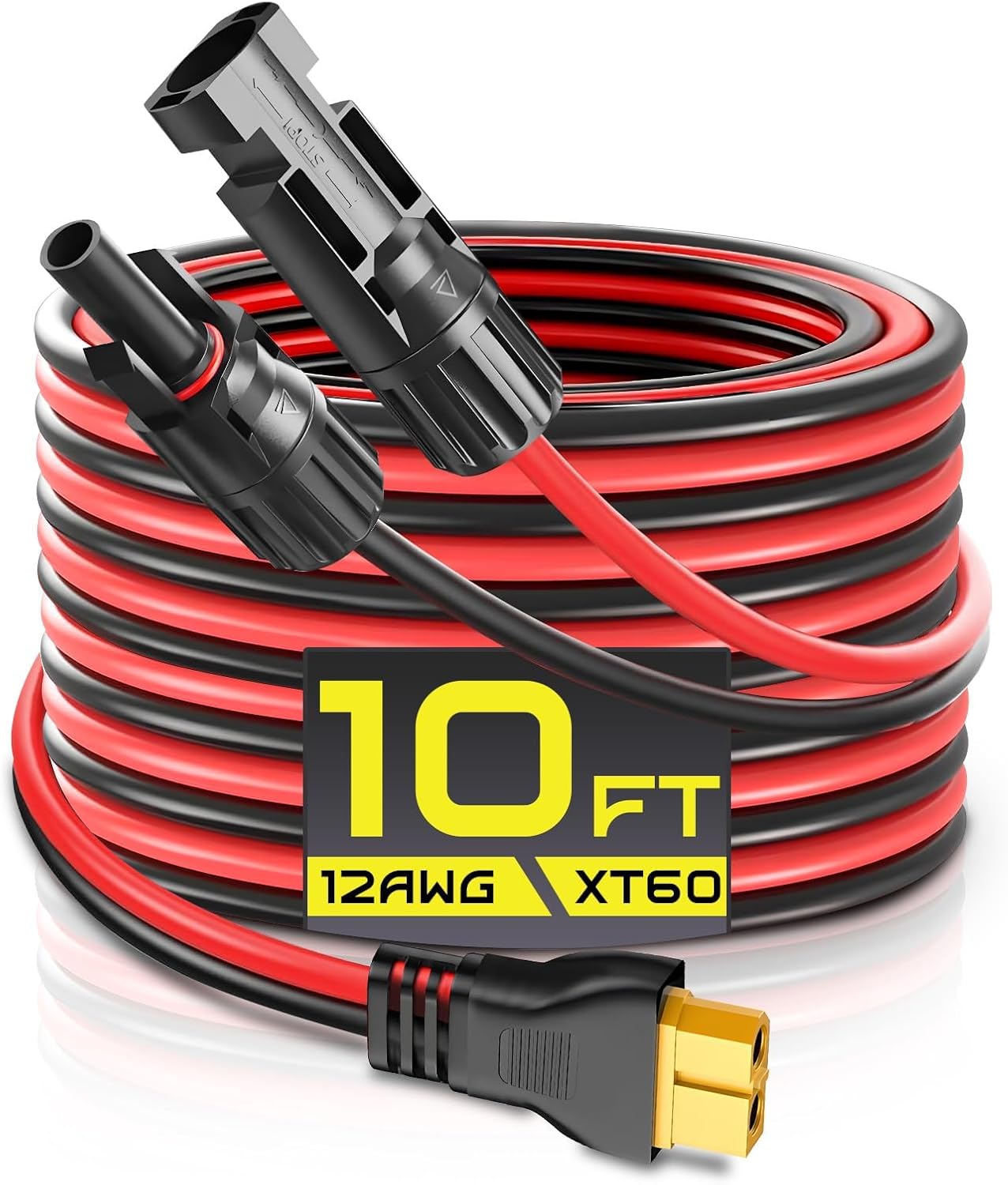
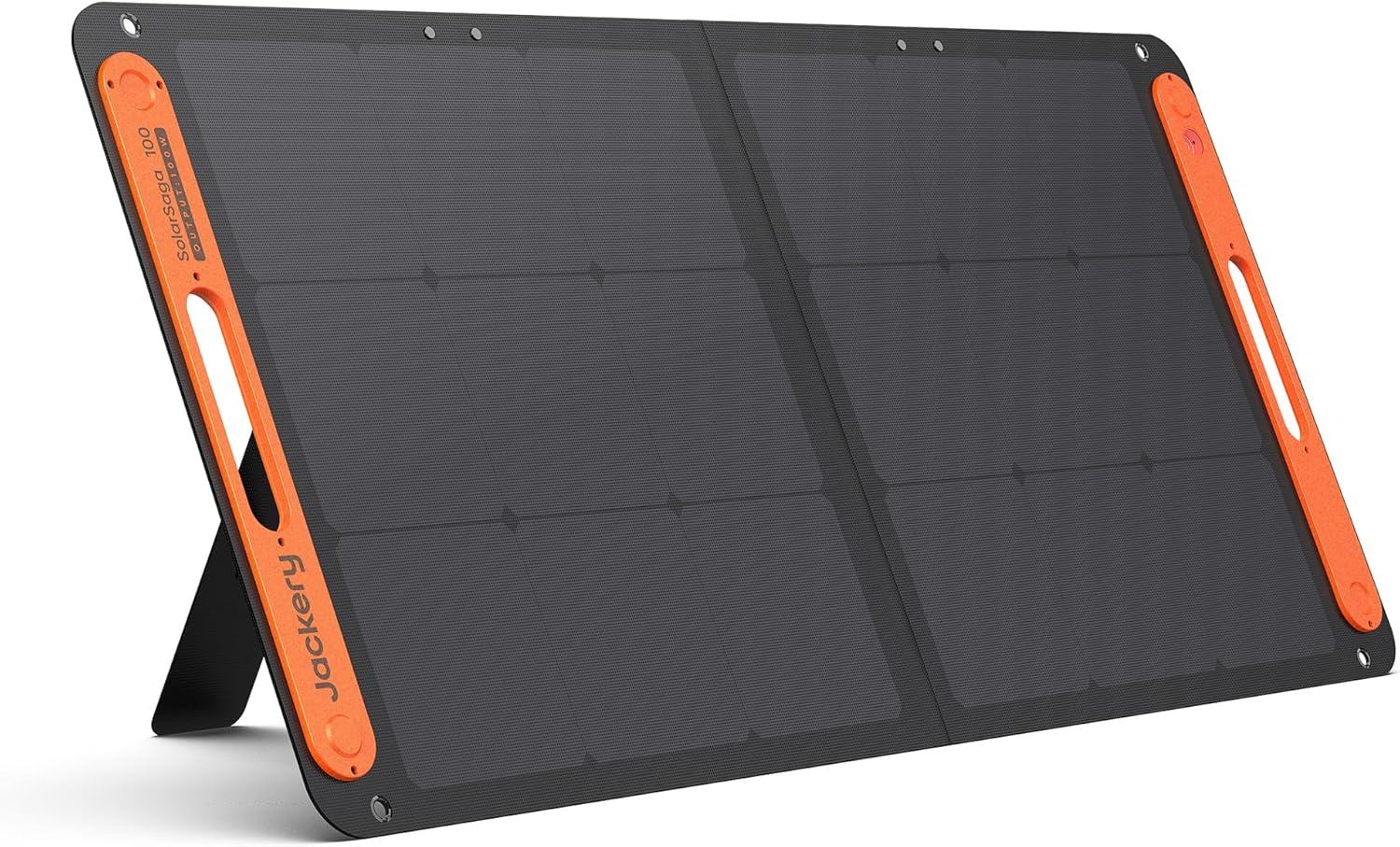
This is the only option on the list with real AC output, which means you plug your manufacturer's wall charger straight in and treat the campsite like a hotel room. A 300W inverter handles a Canon LC-E6, Sony BC-QZ1, or Nikon MH-25a charger without breaking a sweat, and the ~280 Wh internal battery will refill four to six DSLR packs on a single charge. The included 60W foldable panel is the part most kits cheap out on; 60W is the realistic minimum to net positive watt-hours after MPPT loss, cable loss, and partial cloud cover. Set the panel on a flat rock pointed south from 9 a.m., and by 4 p.m. you have replaced what you used overnight. Pick this if you are doing 3+ day backcountry trips with a full kit. Check the 300W solar generator with 60W panel on Amazon.
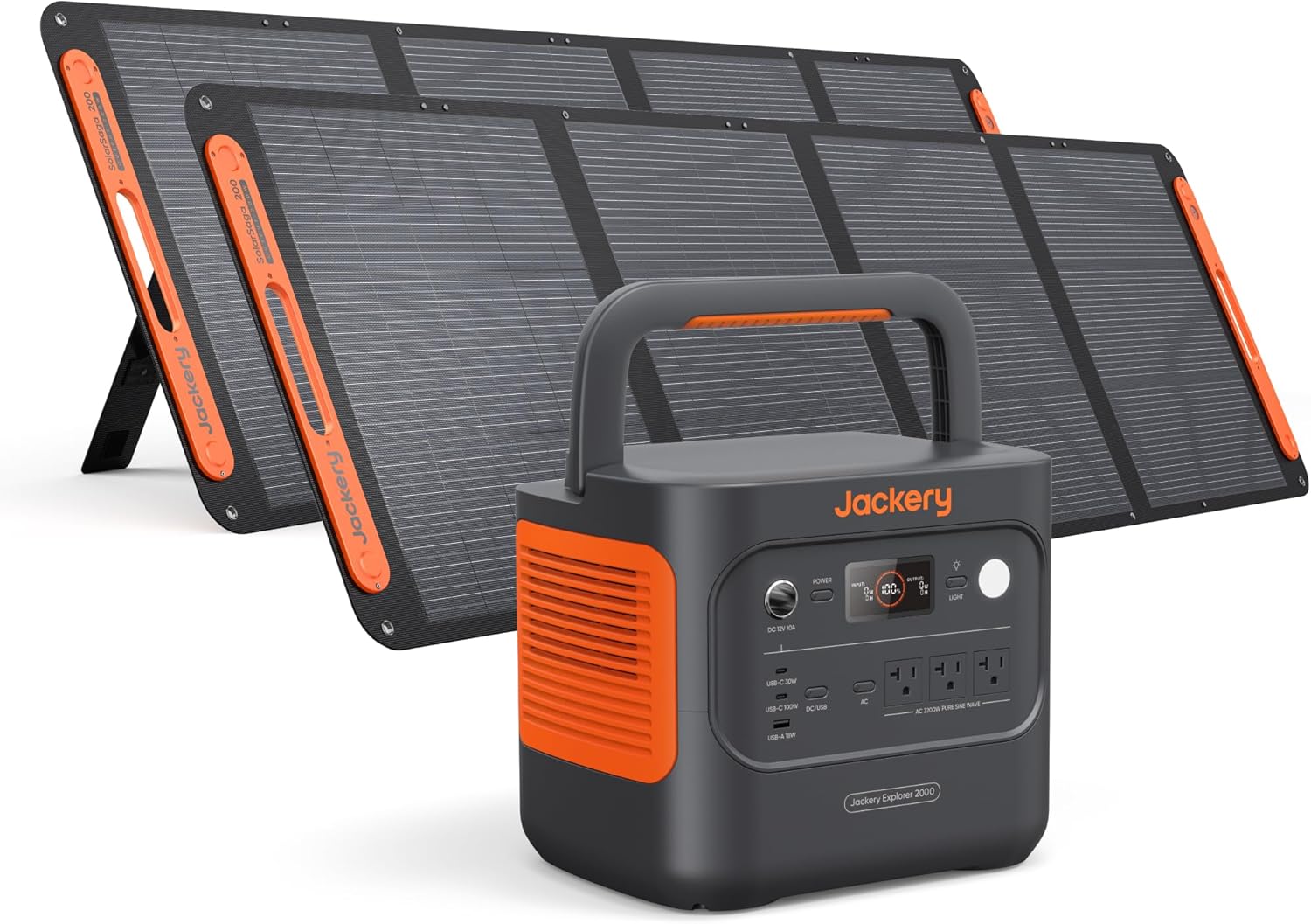
2. YELOMIN 38800mAh Solar Power Bank with USB-C Fast Charging — best for mirrorless
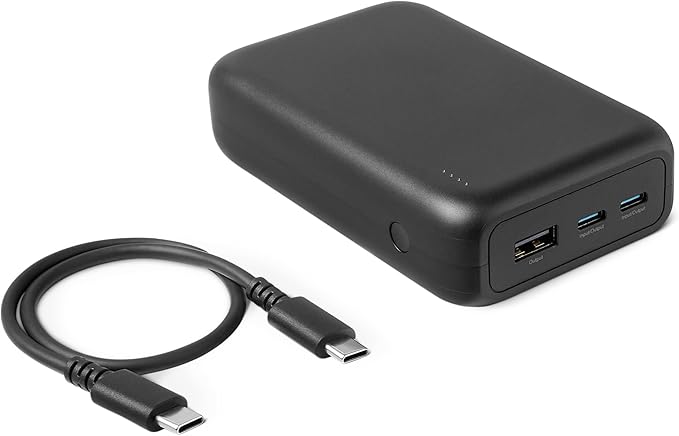
Modern Canon R-series, Sony Alpha, Nikon Z, and Fujifilm X-series bodies charge in-camera over USB-C PD. The YELOMIN's USB-C PD output is the right shape for that: you plug a USB-C-to-USB-C cable straight into the camera and it pulls 18-22W, refilling an NP-FZ100 in roughly 2 hours. At ~144 Wh, it stores enough juice for 6-8 mirrorless battery cycles. The built-in solar panel is small (treat it as emergency-only, like all power-bank panels), but the bank itself is light enough to clip to a daypack and is the most portable real DSLR-class option here. See the YELOMIN 38800mAh USB-C power bank on Amazon.
3. Nymzixt Solar Power Bank 49800mAh Wireless Charger — best backup brick
The Nymzixt is the highest-capacity wireless-capable pick here, and it shines as a secondary battery you keep in your camera bag for non-camera gear: phones, GoPros, headlamps, satellite messengers, and a Kindle for tent reading. Wireless pads on solar banks rarely deliver real fast-charge speeds, but the USB-A QuickCharge ports do. Pair it with the 300W station above and you have one device tethered to the panel during the day while this brick lives in your pack on the move. View the Nymzixt 49800mAh solar power bank on Amazon.
4. SOARAISE Solar Charger Power Bank 48000mAh Wireless — best for two-photographer trips
If you are traveling with a partner or assistant, you need parallel charging — one bank cannot keep up with two kits. The SOARAISE has multiple output ports and enough cells to top up a second shooter's phone, GPS, and a couple of AA-cell flash batteries (via a USB-AA charger) while the main station handles bodies. The integrated panel is again a top-off, not a primary source. Check the SOARAISE 48000mAh solar power bank on Amazon.
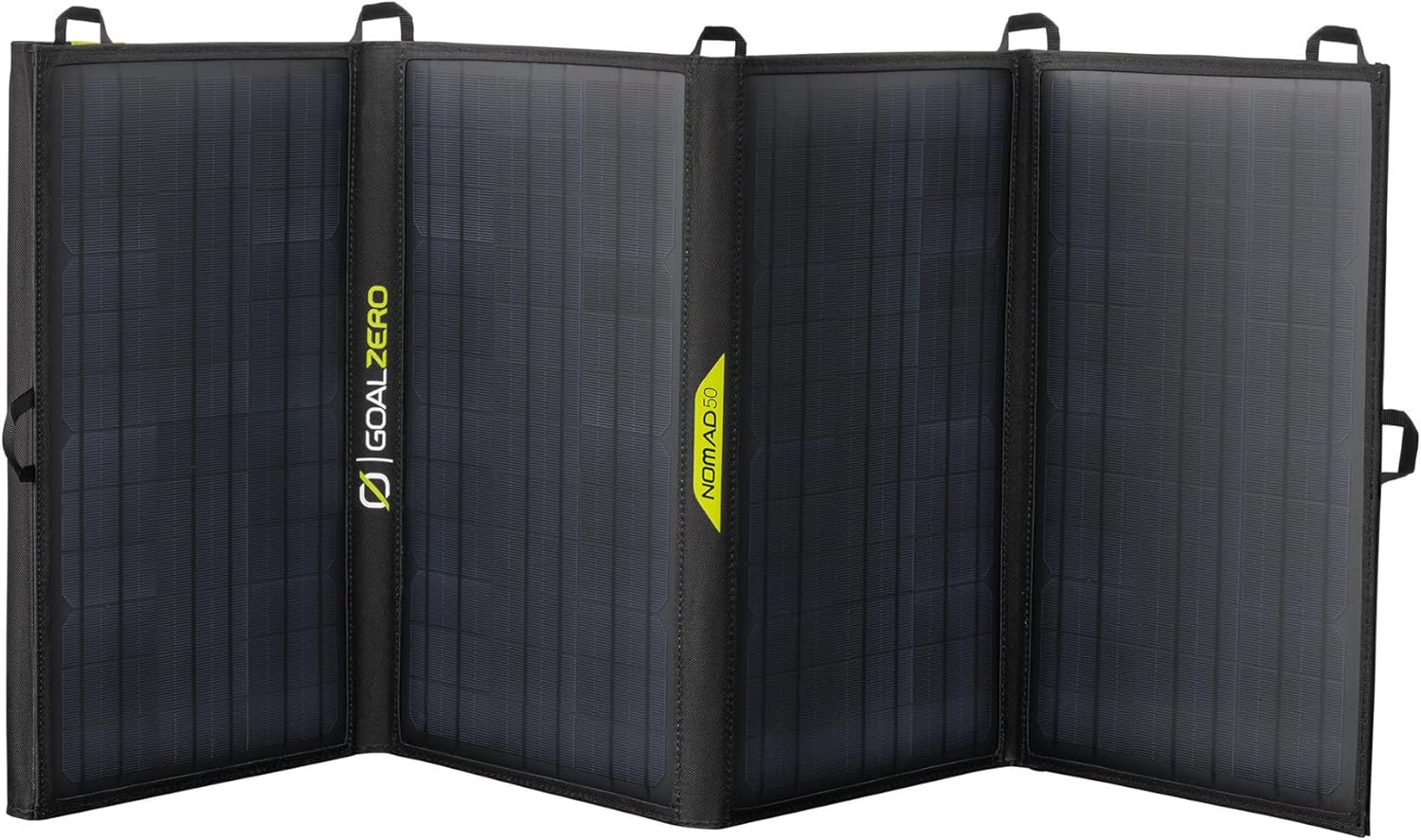
5. Amazon Basics High-Capacity Portable Charger Power Bank — best reliable spare
Sometimes you do not want solar in the bank at all. You want a known-good battery that always works, charges fast from the 300W station overnight, and does not pretend to be a panel. The Amazon Basics power bank fills that role. It is the one you hand to a client or a friend mid-shoot without worrying about it. See the Amazon Basics power bank on Amazon.
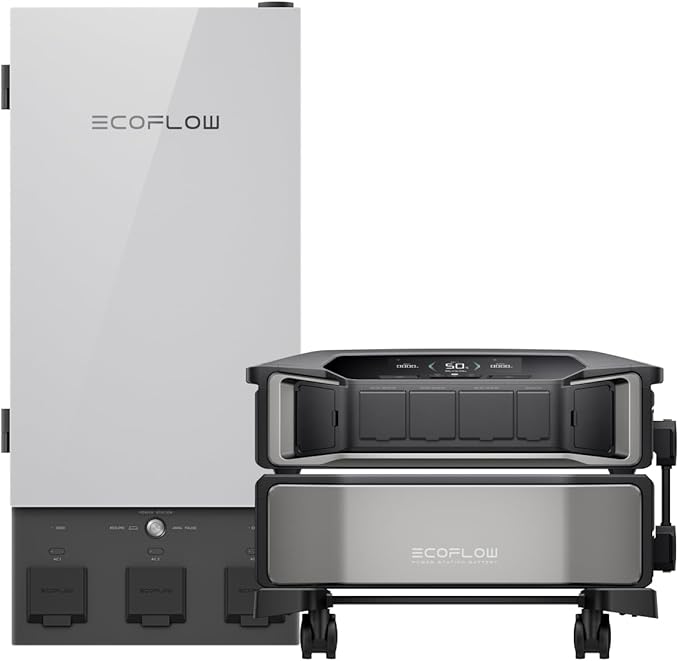
EF ECOFLOW DELTA Pro Ultra and Smart Home Panel, 6000Wh Power Station, Expandable to 90kWh, 7200W AC Output, 2-Hour Full Charge Lifepo4 Home Battery Backup Solar Generator for RV a
- 6kWh capacity, expandable to 90kWh
- 7200W split-phase output
- Whole-home backup with smart panel
How to size your solar setup: the watt-hour math
Skip the marketing mAh numbers and think in watt-hours (Wh). One LP-E6NH = 14 Wh. One NP-FZ100 = 16.4 Wh. One EN-EL15c = 16 Wh. A typical landscape day burns 2-3 packs (30-50 Wh). A wedding or wildlife day with heavy bursts and video can hit 80-120 Wh. Add a laptop for tethered editing (50-80 Wh per session) and a drone battery (40-60 Wh each) and you are at 200-300 Wh per day fast.
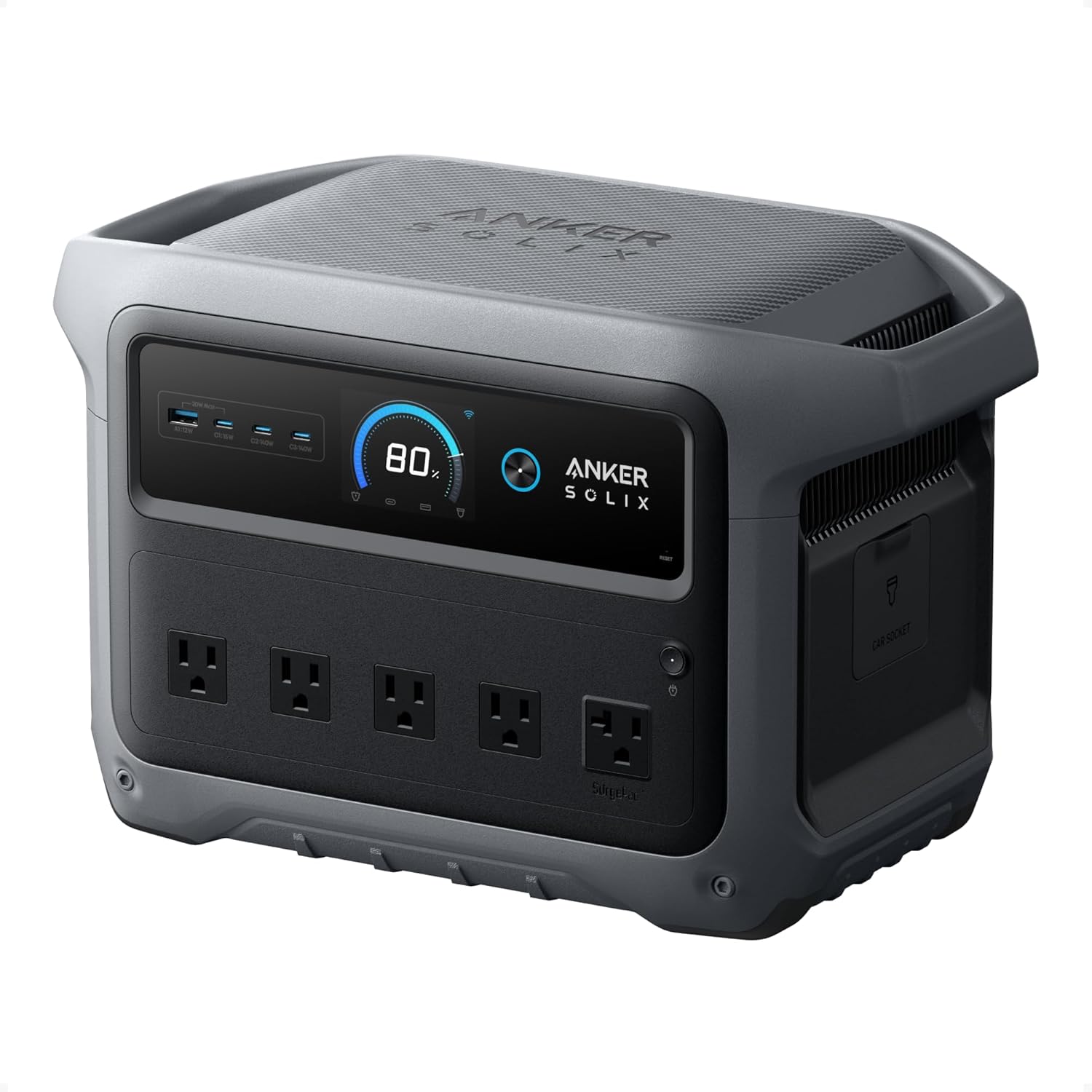
That is exactly why the 300W / 280Wh station is the floor for serious work. The power banks above add another 144-184 Wh of buffer each. With a 60W panel hitting 4-5 productive solar hours per day, you net roughly 180-240 Wh of fresh capacity daily — enough to run indefinitely as long as the weather cooperates. For a deeper breakdown of panel sizing, see our guide on choosing a solar panel wattage for camping.
Field tips photographers learn the hard way
- Charge during shoots, not after. Drop the panel at your basecamp during golden-hour shoots so the station is full when you return to swap batteries.
- Keep batteries warm. Cold LP-E6NH packs charge slower and lose 20-40% capacity. Sleep with spares in your bag liner.
- Bring the OEM charger. Third-party USB chargers often refuse to charge in the cold or at low voltage. The official charger on AC is the most reliable path.
- Angle matters more than wattage. A 60W panel flat on the ground produces less than 30W. Prop it perpendicular to the sun.
- Cloudy day plan. Assume one of every three days will be a write-off solar-wise and size your bank capacity accordingly.
For longer expeditions, also read our piece on portable power stations vs. solar banks for multi-week trips.
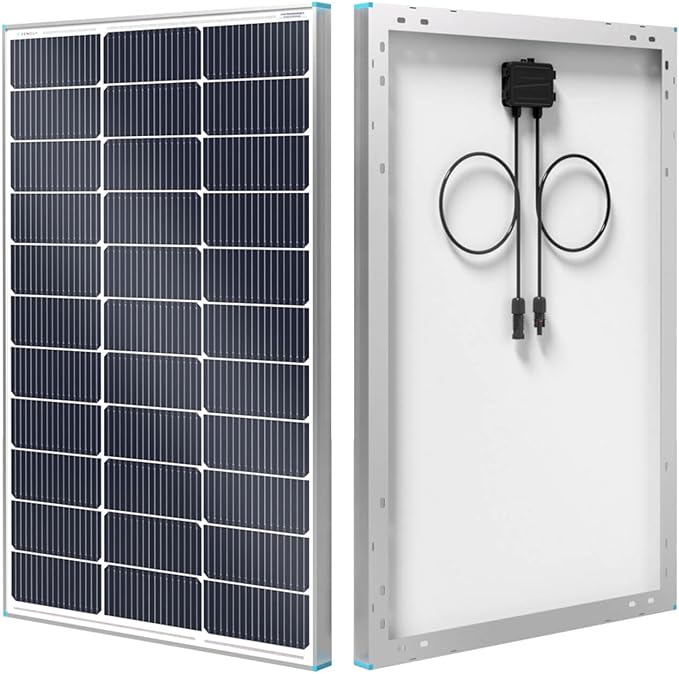
Renogy Solar Panel 100 Watt 12 Volt, High-Efficiency Monocrystalline PV Module Power Charger for RV Marine Rooftop Farm Battery and Other Off-Grid Applications, RNG-100D-SS, Single
- 100W rigid monocrystalline cells
- Corrosion-resistant aluminum frame
- For cabins, RVs, and permanent installs
Frequently Asked Questions
Can a solar panel charge a DSLR battery directly without a power bank?
Technically yes, with the right voltage regulator, but practically no. DSLR wall chargers expect stable 110V AC or specific DC voltage. A panel's output varies wildly with sun angle and cloud cover, which will trip the charger's safety cutoff repeatedly. Always charge into a power station or USB-PD bank first, then charge the camera battery from that buffer.
How many watts of solar do I need for a 5-day backcountry photography trip?
For one photographer with a DSLR or mirrorless body, a laptop, and a phone, plan for at least 60W of folding panel feeding a 250-300 Wh station. For two photographers or anyone shooting video, step up to 100W of panel and 500+ Wh of storage. Anything less and you will be rationing shots by day three.
Will a solar power bank charge a Canon LP-E6NH or Sony NP-FZ100 fast enough?
A 20W+ USB-C PD bank like the YELOMIN will charge an NP-FZ100 in roughly 2 hours via in-camera USB-C charging on Sony Alpha bodies. For Canon LP-E6NH, you need either a USB-C PD-compatible third-party charger or a power station with AC output running the stock LC-E6 charger. Cheap 5V USB-A solar banks are too slow to be practical.
Is a 300W solar generator overkill for camera batteries alone?
No, because it is rarely "cameras alone." Once you add a laptop for backups, a drone, a satellite communicator, and headlamps, the 300W station's ~280 Wh is the right size. The headroom also means faster charging — a stock DSLR charger pulls about 20W on AC, so you can refill three or four packs in parallel without throttling.
Can I leave a solar panel charging unattended at camp?
Most foldable 60W panels are weather-resistant but not waterproof, and they get warm enough to deform delicate fabrics if left in direct contact. Secure the panel with the included grommets, weight it against wind, and tilt it so any sudden rain runs off rather than pooling. Bring it inside if a thunderstorm is forecast — lightning-induced surges can damage MPPT controllers.
What is the lightest solar setup that can still keep a DSLR running?
A YELOMIN-class 38,000 mAh USB-C PD bank plus a separate 20-28W foldable panel (sold individually) is the lightest viable kit at around 3-4 pounds total. It works for mirrorless bodies that charge in-camera over USB-C. For traditional DSLRs that need AC, you cannot get below the weight of a small power station — physics of inverters. See our ultralight solar power bank guide for backpacking-focused picks.
Do I need MPPT, and how do I know if my charger has it?
MPPT (Maximum Power Point Tracking) extracts 20-30% more energy from the same panel compared to cheaper PWM controllers. Every legitimate 300W-class portable solar generator in 2026, including the 60W panel kit recommended above, uses MPPT. Sub-$50 USB solar bricks generally do not — another reason to treat their integrated panels as emergency-only.
Bottom line
For the best solar charger for DSLR camera batteries on multi-day photography trips, build a two-piece system: a 300W solar generator with a real 60W foldable panel for AC charging at camp, plus a 38,000-50,000 mAh USB-C PD bank for in-pack top-ups. Skip standalone solar bricks as your primary charger — their built-in panels are not strong enough to keep a working photographer in the field. Invest once, size for cloudy days, and you will never miss golden hour because of a dead battery again.
Key Takeaways
- Choosing the right best solar charger for DSLR camera batteries on multi-day photography trips means matching capacity and output ports to your actual devices
- Always check actual watt-hours (Wh), not just watts — runtime depends on Wh, not peak output
- Also covers: solar charger DSLR batteries
- Also covers: charge Sony A7 battery solar
- Also covers: Canon EOS solar charger backcountry
- Compare price-per-Wh across models to find the best value for your budget