Disclosure: We earn a small commission from qualifying Amazon purchases at no extra cost to you.
If you need a solar panel for CPAP with Bluetti AC180 PNW rainforest camping, the short answer is this: pair the AC180's 1,152Wh LiFePO4 battery with at least 200W of foldable monocrystalline panels, expect 25–50% of rated output under dense Douglas fir and Sitka spruce canopy, and always arrive with a full charge plus a backup power bank for your phone and headlamp. The AC180 accepts up to 500W solar input, so bracketing a 200W panel with a secondary 60–100W panel in a sunnier microsite is the realistic play. CPAP draw is modest, so capacity outranks peak wattage in this biome.
Why the PNW rainforest is the hardest place to solar-charge a CPAP
The Olympic, Hoh, Quinault, and coastal British Columbia rainforests are the worst-case scenario for solar generation. Canopy closure routinely exceeds 90%, summer marine layers can hold cloud cover until mid-afternoon, and even when the sun does break, you may only get one to three usable hours of direct light at your campsite. Add the fact that bedding down in a rainforest grove means you usually chose the shaded spot for shelter, and the math gets tight quickly.
That's why a solar panel for CPAP with Bluetti AC180 PNW rainforest setup has to be designed around energy conservation first and harvest second. Your AC180 is the buffer. Your panels are a trickle. Treat them that way and you'll sleep with steady airway pressure every night.
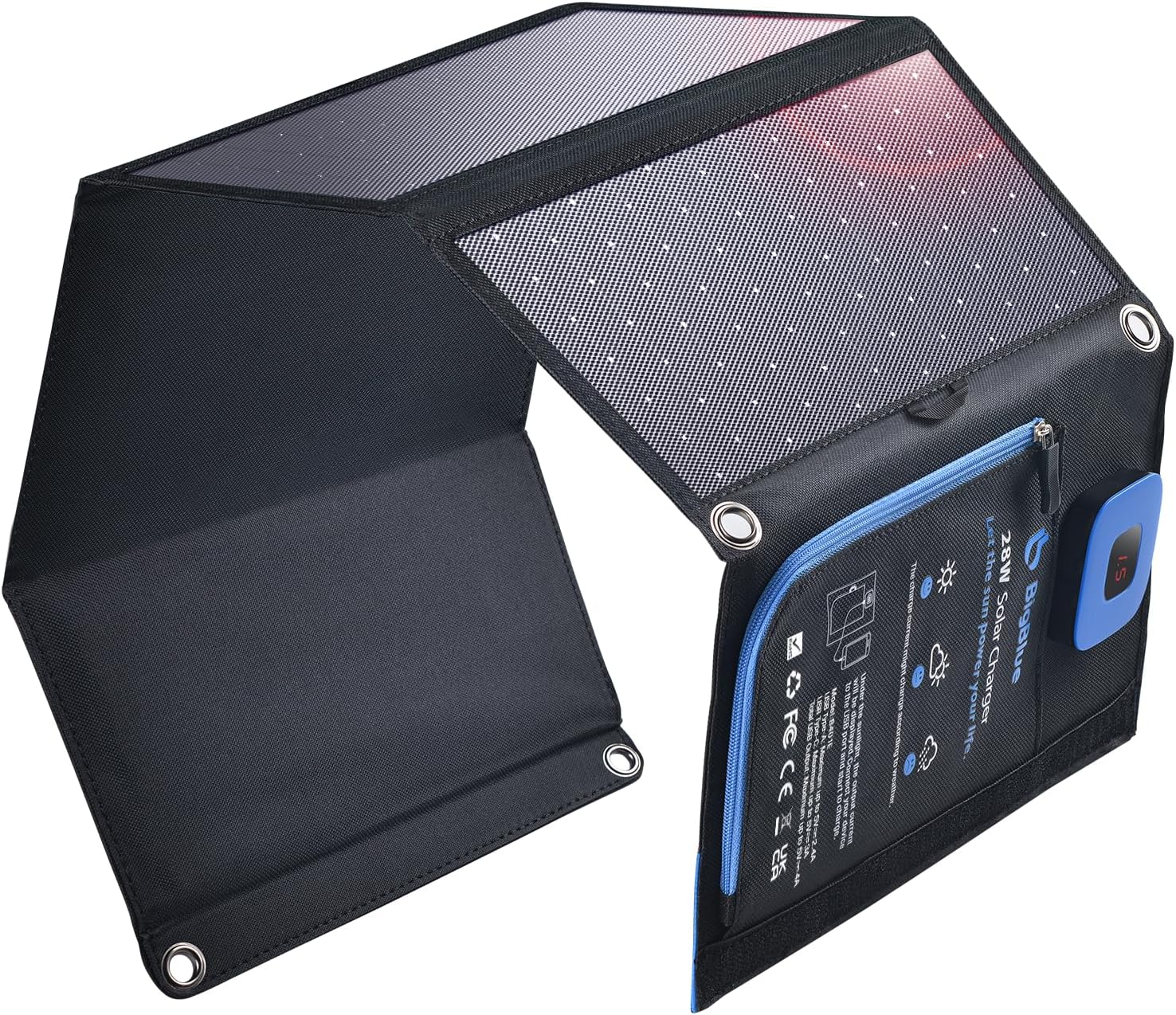
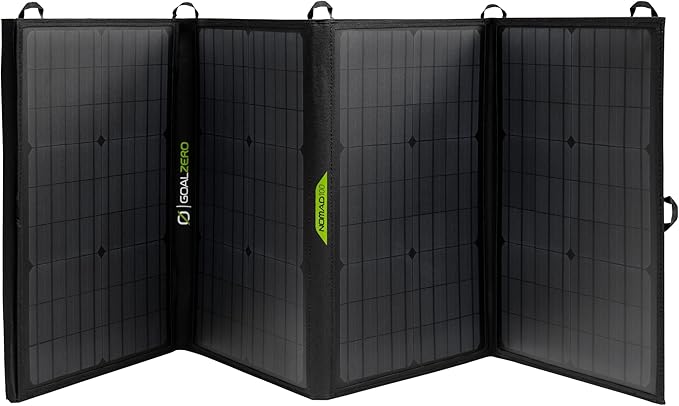
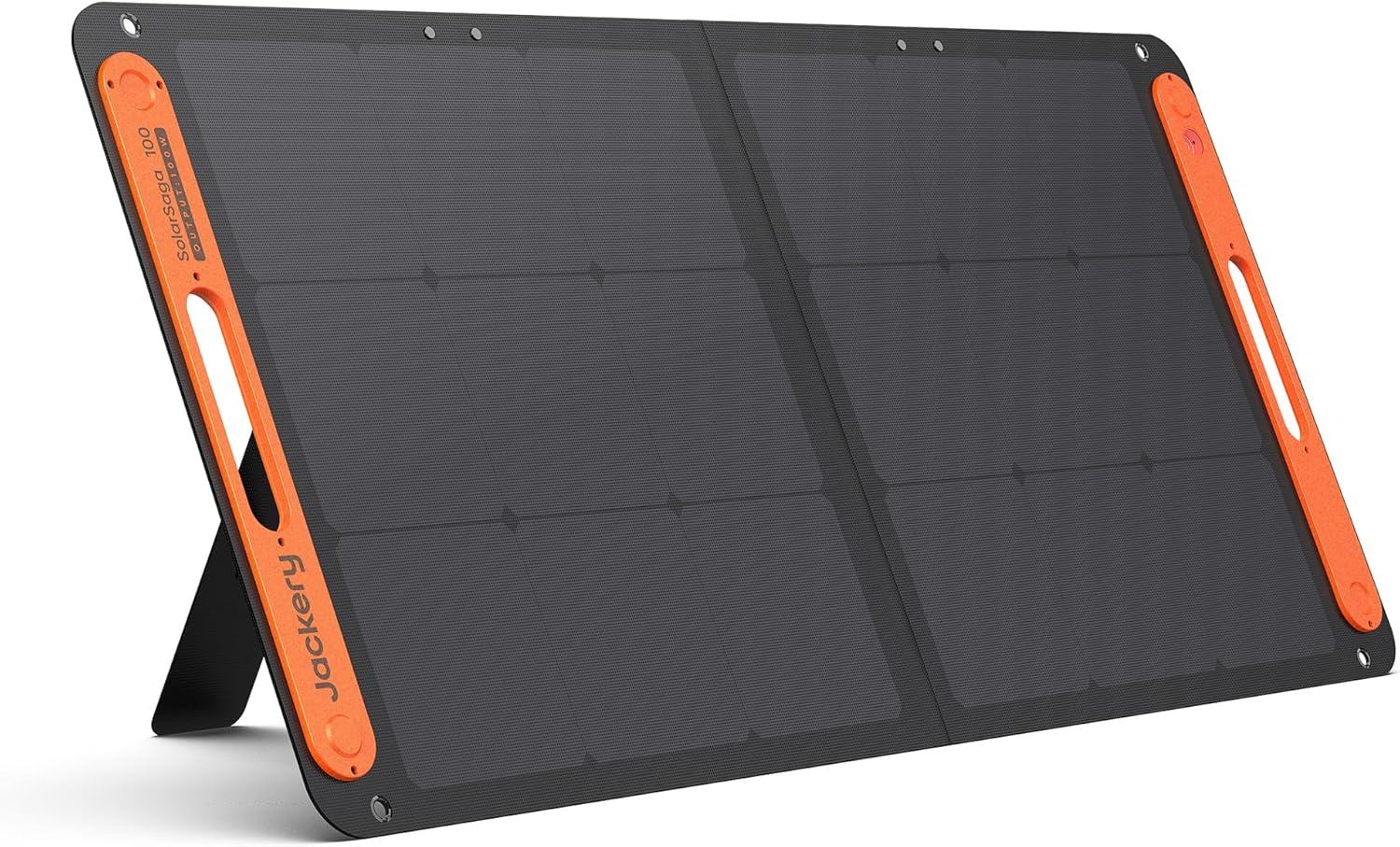
Goal Zero Nomad 100 Watt Monocrystalline Portable Solar Panel
- 100W foldable monocrystalline panel
- Daisy-chainable for more power
- Durable weather-resistant design
How much energy does a CPAP actually use overnight?
Real numbers, not marketing claims:
- Fixed-pressure CPAP, no humidifier, no heated hose: 30–60Wh per 8-hour night.
- APAP with humidifier off: 40–80Wh per night.
- CPAP with heated humidifier: 200–400Wh per night (a deal-breaker on solar in shade — turn it off).
- BiPAP at higher pressures: 80–150Wh per night.
An AC180 holding 1,152Wh will run a typical no-humidifier CPAP for roughly 15–20 nights at the wall efficiency of its pure sine inverter, assuming you use the unit's 12V DC output via a barrel cable when your CPAP model supports it. Inverter losses on AC are real — you can lose 10–20% just running through the 120V outlet. If your CPAP has a 12V or 24V DC port, use it.
Choosing solar wattage for shaded rainforest sites
Forget the panel's rated wattage on a sunny lab bench. Under PNW canopy you will commonly see:
- Dense old-growth canopy: 5–15% of rated output.
- Mixed second-growth with patches: 20–40% of rated.
- Clearing edge or river bar: 50–75% of rated.
- Full overcast, open meadow: 30–50% of rated.
That means a 100W panel may only push 15–40W into the AC180 during the brightest hour of the day. To replace 60Wh of CPAP use plus 100Wh of other camp loads (lights, phone, GPS, camera), you want a panel pair totalling 200–400W of nameplate capacity. The AC180's MPPT controller handles 12–60V input, so you can series two 12V panels or run a single 24V foldable.
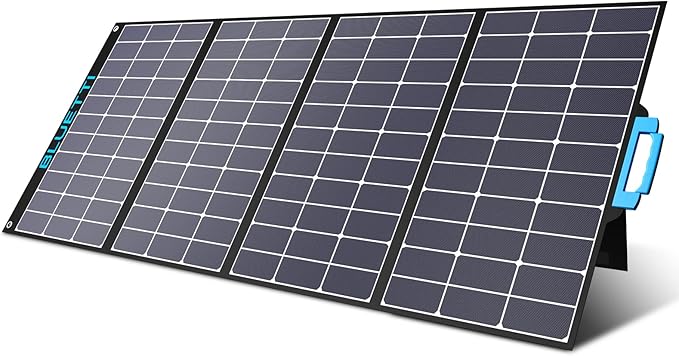
BLUETTI SP350 350W Solar Panel for AC180/AC200L/AC200MAX/AC200P/AC300/EB240 Portable Power Stations with Adjustable Kickstand, Foldable Solar Power Backup for Outdoor Camping,Off G
- 350W high-power monocrystalline cells
- 23.4% conversion efficiency
- ETFE laminated, splash-proof
Comparison table: backup and supplementary picks
None of these is a replacement for a 200W rigid panel feeding the AC180 directly — they're the redundancy layer that keeps your CPAP system from failing single-point. For a deeper dive into mainline panel wattage, see our guide to portable solar panels for rainy camping.
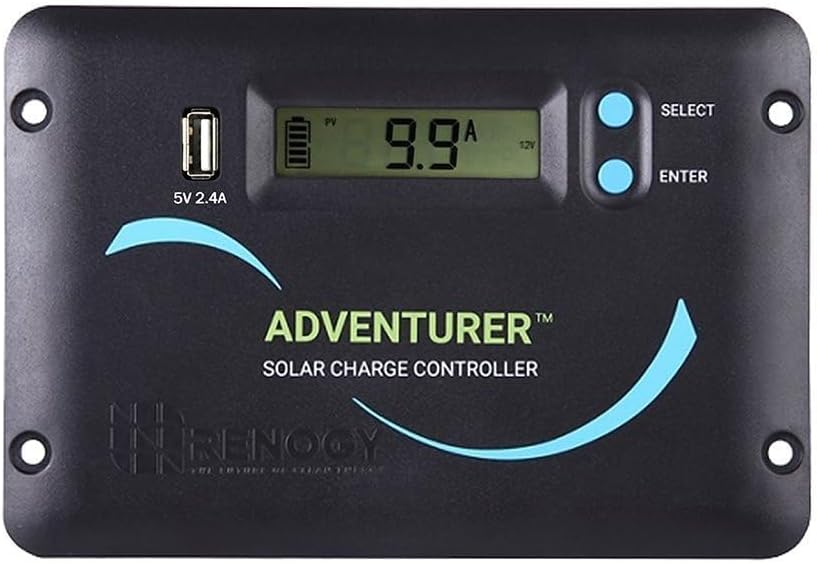
| Product | Battery / Solar | Best role on this trip | Weight |
|---|---|---|---|
| Portable Solar Generator 300W with 60W Foldable Panel | ~299Wh + 60W panel | Independent secondary system, lower-canopy site | ~7.5 lb generator |
| SOARAISE Solar Power Bank 48000mAh | ~178Wh, ~5W solar trickle | Phone/headlamp redundancy, CPAP not supported | ~1.3 lb |
| YELOMIN 38800mAh USB-C Solar Power Bank | ~144Wh, USB-C PD | Fast tablet/phone charging, ranger radio | ~1.1 lb |
| Amazon Basics High-Capacity Power Bank | USB only | Lightweight phone backup, no solar | ~0.7 lb |
Recommended secondary system
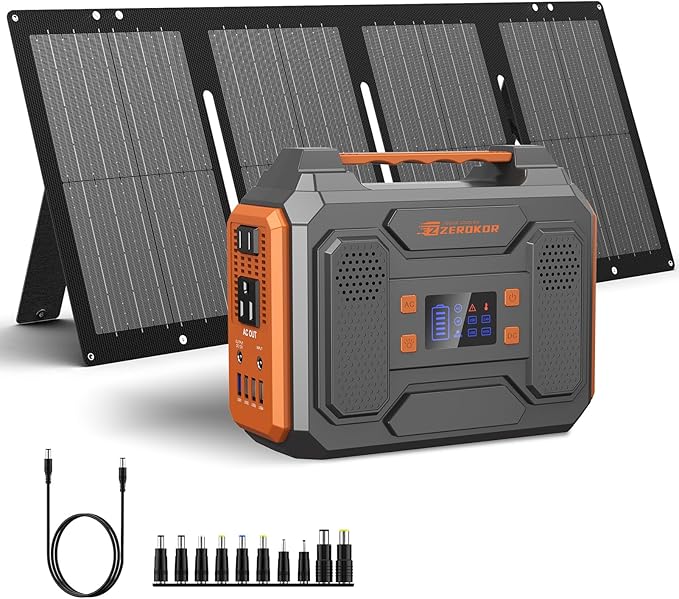
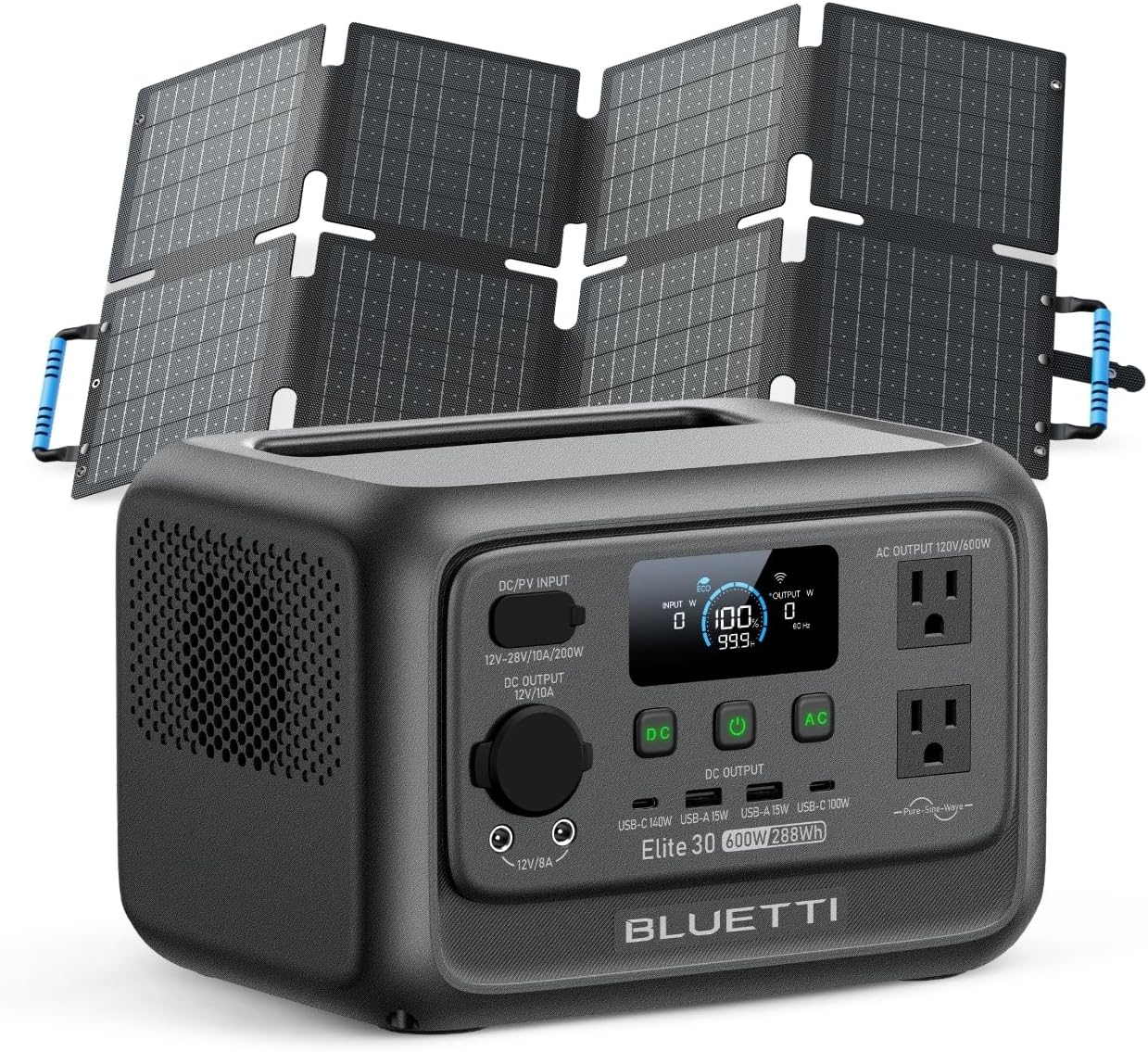
Portable Solar Generator 300W with Foldable 60W Panel
This is the single most useful add-on for a rainforest CPAP trip when your primary solar panel for CPAP with Bluetti AC180 PNW rainforest rig is the AC180. The 60W foldable panel is small enough that you can stake it in a sunnier microsite — a gravel bar, road shoulder, or trail clearing — 200 yards from your shaded tent without lugging a 200W panel through devil's club. The 300W generator gives you a totally independent fallback: if your AC180 's MPPT throws an error or a cable fails, you still have ~250–299Wh of usable storage to run the CPAP for 4–5 more nights. That redundancy is the difference between sleeping and a sleepless 90-mile drive back to civilization. Check the Portable 300W Solar Generator on Amazon.
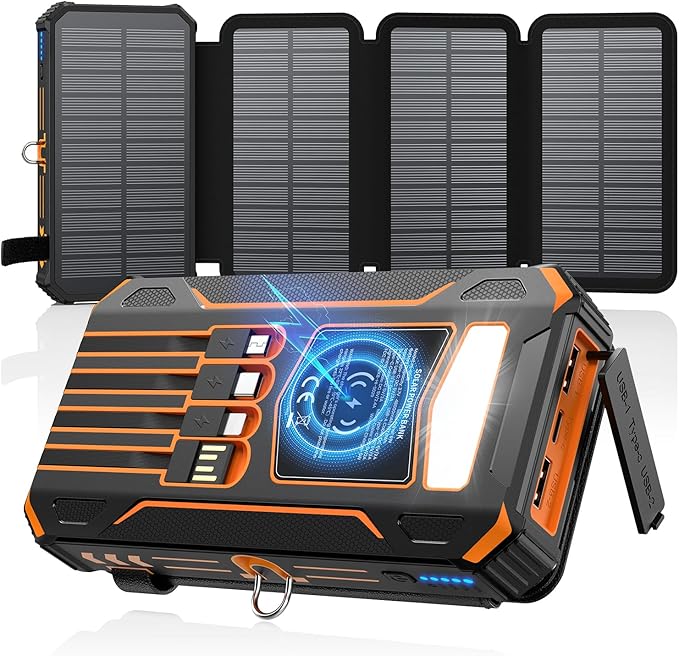
SOARAISE Solar Charger Power Bank 48000mAh
A 48,000mAh (about 178Wh nominal, ~120Wh usable at 5V) bank with a low-output integrated solar panel and Qi wireless pad. The small built-in panel will not meaningfully charge it in a rainforest — treat it as a wall-charged reservoir. Its real job here is keeping your phone, InReach, headlamp, and GPS topped off so you never touch the AC180 for anything other than the CPAP. Pulling 60Wh of phone charging out of the AC180 every day is what causes solar deficits in the rainforest, and this bank simply removes that load. Wireless charging is convenient when your USB cables get damp. See the SOARAISE 48000mAh on Amazon.
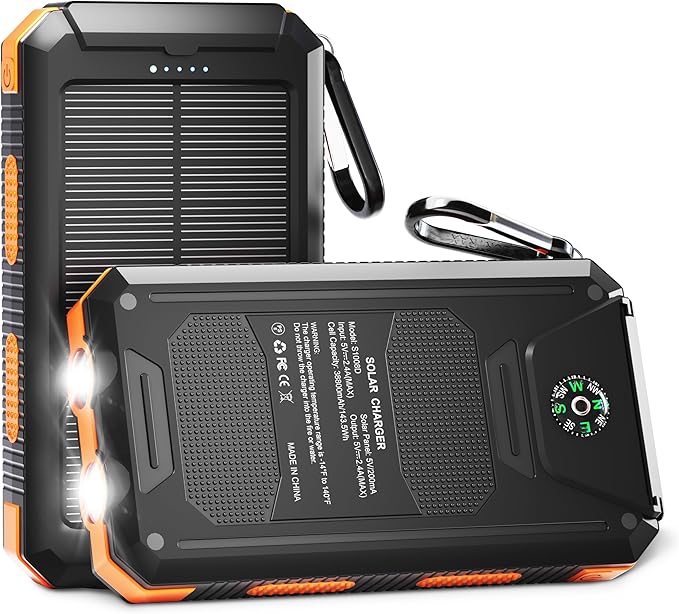
YELOMIN 38800mAh Solar Power Bank with USB-C Fast Charging
If your devices are USB-C PD (newer iPhones, modern Android, most ranger handheld GPS), this is the smarter of the two power banks. The USB-C PD output runs around 22.5W, which means a tablet or phone tops up in under an hour even from heavily depleted. Like all built-in-panel banks, the solar element is symbolic for trickle maintenance, not a charging strategy. Carry it pre-charged. View the YELOMIN 38800mAh on Amazon.
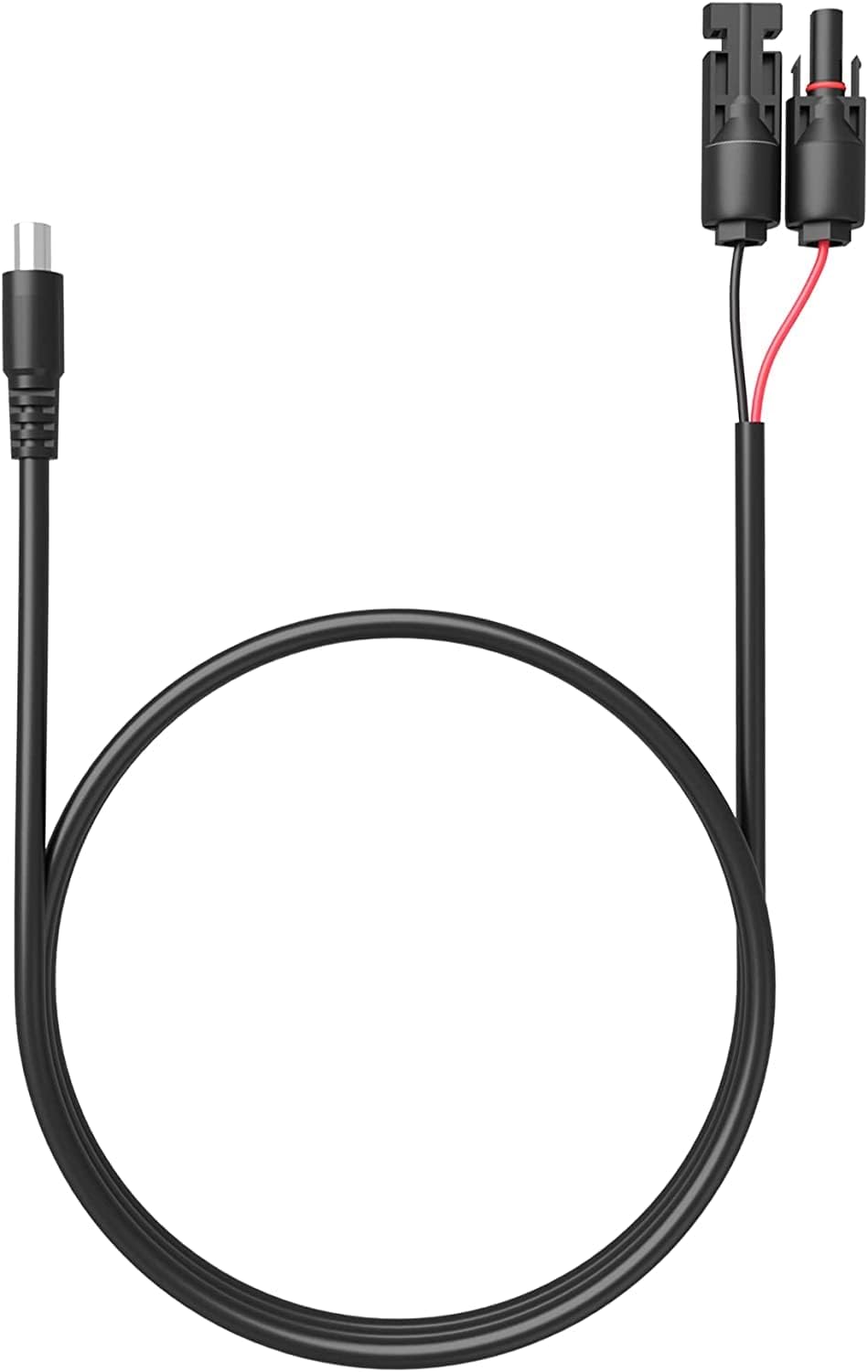
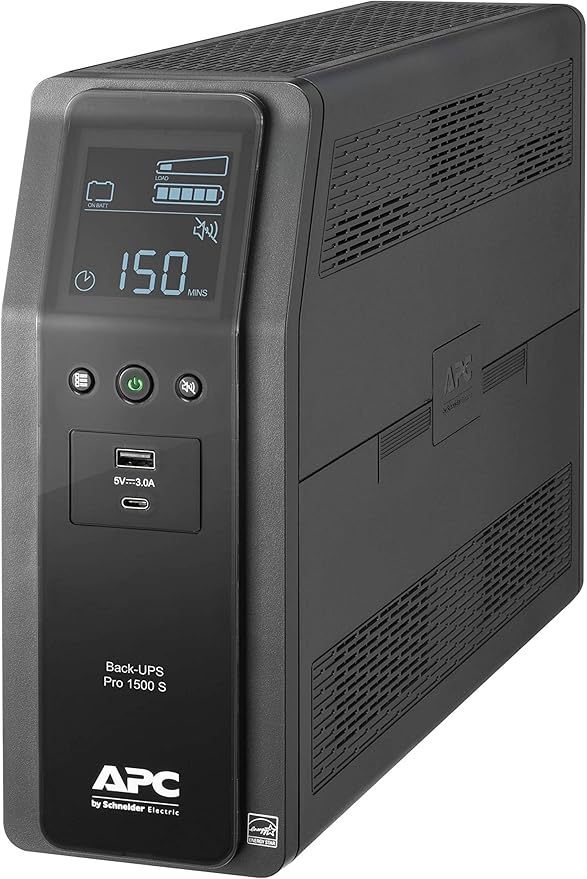
APC UPS Back-UPS Pro 1500VA Sinewave UPS, 900W Battery Backup & Surge Protector, AVR, 10 Outlets, LCD, USB-C & USB-A Charging Ports, BR1500MS2 Uninterruptible Power Supply for Comp
- 1500VA / 900W pure sine wave output
- AVR voltage regulation, 10 outlets
- Protects computers from outages & surges
Field setup checklist for a shaded PNW camp
- Charge everything to 100% the night before the trailhead. AC180, both power banks, the secondary generator, headlamps.
- Turn off the CPAP humidifier. Non-negotiable on solar in this biome.
- Use the 12V DC barrel output on the AC180 if your CPAP model supports it. ResMed AirSense 10/11 with the DC converter cable will save you 15–20% per night.
- Scout a sunny microsite within an extension-cord run of your tent. River bars, ridge clearings, the gravel parking area at trailhead campgrounds.
- Tilt and reposition panels three times daily. Sun tracks low and fast under canopy. Even 20 degrees of tilt change can double output.
- Bring a 25 ft 12 AWG extension cord so the panel can sit where the sun is, not where you are.
- Carry a wall-charge fallback. Most PNW trips pass through a town with a coffee shop or library outlet. A 60-minute top-up on AC180's 1,440W fast-charge mode adds ~80% — enough for another five nights.
Why redundancy matters more than wattage
A common mistake is buying a single 400W folding panel and calling it solved. In reality, the 400W panel often produces less in dense canopy than two 100W panels placed in different microsites would. Light is patchy under the rainforest — you want surface area distributed across multiple sun-flecks, not one big array in one shadow. The AC180's two solar input ports and high-voltage MPPT are designed for exactly this kind of bracketed deployment.
If you'd like a complete breakdown of how the AC180 compares to the EB55, EB70, and AC200L for medical-device camping, our Bluetti AC180 camping guide walks through the inverter behavior overnight (it does not auto-sleep with low CPAP draw, which is a feature here).
What to skip
Skip 100W flexible panels that claim to handle rain — most fail at the junction box within two trips, and the rainforest will absolutely find that weakness. Skip foldable panels without a real MC4 or Anderson connector — you need to interface cleanly with the AC180's XT60 adapter. Skip USB-only panels for medical-device use — the AC180 cannot accept USB input. And skip the all-in-one solar power banks as a CPAP solution; they exist for phones, not for 30W continuous AC loads.
Frequently Asked Questions
Can a 200W solar panel actually keep up with a CPAP under PNW rainforest canopy?
In genuine old-growth shade, no — not in a single day. Expect to harvest 60–150Wh from a 200W panel on a typical canopied site, which roughly matches one night of no-humidifier CPAP plus modest camp loads. The strategy is to break even or slightly negative each day and rely on the AC180's reserve. Over a 5-day trip you'll come home with the battery at 30–50%, not depleted, as long as you've turned off the humidifier and used DC output.
Will the Bluetti AC180 stay on all night with a low-draw CPAP?
Yes. The AC180 does not aggressively auto-shut-off with light loads the way some EcoFlow models do. A 30–40W continuous CPAP draw is well above the inverter's idle-trip threshold. You can also lock the AC outlet on via the front panel to be safe.
Should I use the AC180's 120V outlet or a 12V DC cable to my CPAP?
Use 12V DC if your CPAP brand offers an official DC converter cable (ResMed and Philips both do for their travel models). DC bypasses the inverter, saving 8–20% per night. Over a 5-night rainforest trip that's an entire extra night of runtime.
What if it rains for three straight days and I get zero solar harvest?
With a full AC180, no humidifier, and DC output, you have roughly 18–25 nights of CPAP reserve. Three rainy days is not the failure scenario — a forgotten pre-trip charge is. Always arrive at the trailhead at 100%. For more on multi-day overcast strategy see our CPAP camping power options breakdown.
Are solar power banks like the SOARAISE or YELOMIN viable for running a CPAP directly?
No. CPAPs need either 24V DC at 3–4A or a true 120V AC sine wave at roughly 30–60W continuous. USB power banks output 5V/9V/12V at limited current and do not provide AC. They're excellent for offloading every other device from the AC180, which is the right way to use them on this kind of trip.
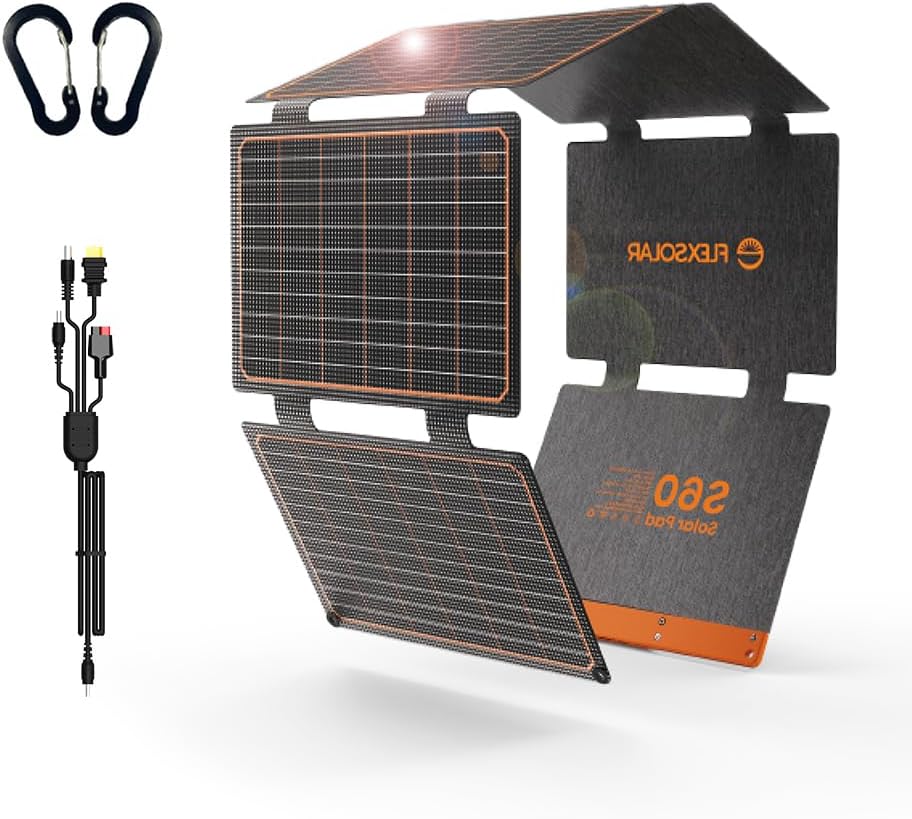
Is the foldable 60W panel from the 300W generator kit compatible with the AC180?
Often yes, with a 5.5mm to XT60 adapter cable (~$10). It is, however, undersized as the AC180's primary input — think of it as an opportunistic top-up panel you can stake in a sun-fleck without disturbing your main array. The 300W generator itself is the more strategically valuable piece of this kit for redundancy. Our PNW camping solar setup guide covers adapter cabling in detail.
![[Upgraded] BigBlue Ultra-Light Portable 25W Solar Panel Charger with USB-A and USB-C Ports, 0.84 lbs Pocket-Size IP68 Wate...](https://solarchargerreviews.com/aimg/images/I/81V5czzR0mL._AC_SL1500_.jpg)
What's the single most important thing to do before a 2026 rainforest CPAP trip?
Run a dry-rehearsal at home: charge the AC180 to 100%, plug in your CPAP via the same DC or AC cable you'll use in the field, and sleep on it for two nights without any solar input. Check the remaining percentage. If you've burned more than 15% per night, you have a humidifier or inverter loss issue to fix before you're 12 miles up a rainforest trail in the dark.
Key Takeaways
- Choosing the right solar panel for CPAP with Bluetti AC180 PNW rainforest means matching capacity and output ports to your actual devices
- Always check actual watt-hours (Wh), not just watts — runtime depends on Wh, not peak output
- Also covers: Bluetti AC180 CPAP solar Olympic rainforest
- Also covers: CPAP camping solar shaded Pacific Northwest
- Also covers: AC180 ResMed AirSense CPAP solar
- Compare price-per-Wh across models to find the best value for your budget