Affiliate Disclosure: This post contains affiliate links. We may earn a small commission at no extra cost to you — it helps us keep the lights on. We only recommend products we genuinely stand behind.
Why Trust PortableScout?
We are an independent review site. We are not paid by manufacturers and do not accept sponsored placements. Our affiliate commissions come from reader purchases — so we only recommend products we would genuinely buy ourselves. Read our editorial policy.
Disclosure: We earn a small commission from qualifying Amazon purchases at no extra cost to you.
The Great Solar Charger Showdown
Picture this: You're three days into a backcountry adventure, the sun is blazing overhead, and your phone is gasping its last 4% battery life. You unfold your solar charger, plug in, and wait. And wait. And wait.
Was that $25 bargain bin special really worth the savings? Or should you have splurged on the $200 premium panel that promised the moon?
This is the question that haunts every outdoor enthusiast. And today, we're settling it once and for all.
> "The bitterness of poor quality remains long after the sweetness of low price is forgotten." — Benjamin Franklin (who would absolutely have an opinion on solar tech)
Anker SOLIX C300 Portable Power Station
- 288Wh LFP battery
- 300W output with fast USB-C PD
- Weighs only 7.7 lbs
The Real Cost of "Cheap"
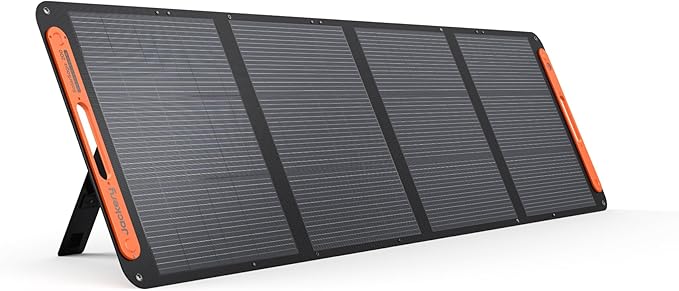
Let's get something straight: not every budget solar charger is a scam. But the difference between a $30 panel and a $200 panel isn't just marketing fluff — it's physics.
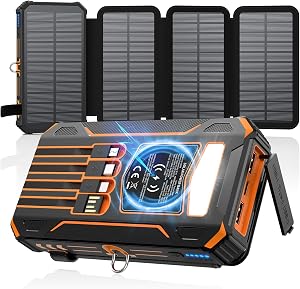
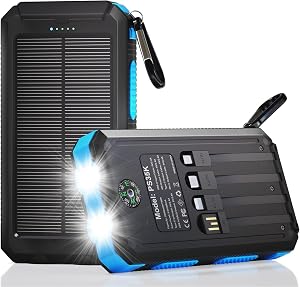
What You Get with Budget Chargers ($15–$60)
- Lower-grade monocrystalline or polycrystalline cells with 15–18% efficiency
- Basic plastic or PET laminate that degrades in UV exposure
- Single USB-A output with no fast charging support
- No MPPT controller (more on this game-changer below)
- Optimistic wattage claims — that "20W panel" often delivers 8W in real conditions
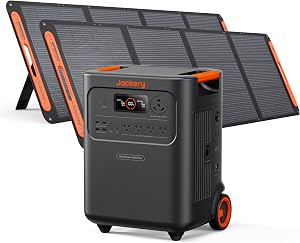
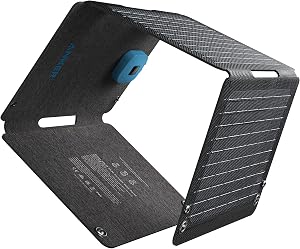
What Premium Chargers Deliver ($120–$400+)
- High-efficiency SunPower or ETFE-laminated cells hitting 22–25% efficiency
- Weatherproof, ruggedized construction built for serious abuse
- Multiple outputs: USB-C PD, USB-A QC, sometimes DC
- Smart MPPT charge controllers that maximize every photon
- Honest, conservative wattage ratings that actually deliver
Watch This Before You Buy Anything
Bluetti AC500 + B300S Home Battery Backup
- 3072Wh LFP, expandable to 18432Wh
- 5000W AC output, expandable to 10000W
- Works as UPS for home circuits
The Numbers Don't Lie
> EFFICIENCY GAP: Premium panels can deliver up to 3x more usable power in cloudy conditions than budget alternatives. That's the difference between a charged phone and a dead one when it matters most.
> LIFESPAN: Budget chargers average 1–2 years of regular use. Premium panels routinely last 8–10 years with proper care.
> REAL-WORLD OUTPUT: Independent testing shows budget panels deliver only 40–60% of their advertised wattage. Premium brands like Goal Zero, BioLite, and Jackery typically hit 85–95%.
When Budget Actually Wins
Here's the surprise plot twist: budget chargers absolutely make sense in certain scenarios.
Buy Budget If:
- You're a weekend warrior charging a phone once or twice per trip
- You camp in predictably sunny climates (hello, Arizona)
- You need a backup to your backup
- You're testing the waters before committing to solar
- Your trips are short (1–3 days max)
Top Budget Picks That Don't Suck
- BigBlue 28W — The cult favorite under $80
- Nekteck 21W — Reliable, foldable, fuss-free
- Anker 21W PowerPort — Trusted brand, fair performance
Anker SOLIX C800 Plus Portable Power Station
- 768Wh LFP battery
- 1200W output with 2400W surge
- Built-in retractable LED light bar
When Premium Is Non-Negotiable
Splurge If:
- You're powering devices beyond phones (laptops, cameras, drones, CPAPs)
- You depend on power for safety (GPS, satellite communicators, medical devices)
- You camp in variable or harsh weather
- You're on multi-week expeditions or thru-hikes
- Your trips are off-grid for 5+ days
Premium Picks Worth Every Penny
- Goal Zero Boulder 100 Briefcase — The bombproof workhorse
- Jackery SolarSaga 100W — Best balance of power and portability
- BioLite SolarPanel 10+ — Integrated battery genius
- Anker 625 Solar Panel — Premium without the premium price
The MPPT Factor: The Hidden Hero
Here's something budget brands won't tell you: MPPT (Maximum Power Point Tracking) technology can boost solar output by 20–30% in less-than-ideal conditions.
Budget chargers use simple PWM controllers (if they use any at all). Premium chargers use MPPT, which constantly adjusts to extract maximum power from your panel — even when clouds roll in or the sun angle changes.
This single feature often justifies the price jump alone.
Pro Tips From the Field
> EXPERT TIP #1: Always test your solar charger at home before your trip. Real-world output varies wildly from lab specs.
> EXPERT TIP #2: A solar panel + power bank combo beats a solar charger with built-in battery for most users. You can charge the bank during the day and your devices at night.
> EXPERT TIP #3: Angle matters more than wattage. A 20W panel angled perfectly toward the sun outperforms a 40W panel lying flat.
> EXPERT TIP #4: Cloudy day? Lay your panel on a reflective surface (like a car hood or aluminum-faced ground sheet) to boost output by up to 15%.
See Real Field Testing in Action
The Verdict: What's Actually Worth Paying For?
After all the testing, all the camping trips, and all the dead batteries, here's the honest truth:
Pay more for:
- Higher-efficiency cells (SunPower or ETFE laminate)
- MPPT charge controllers
- USB-C Power Delivery output
- Reinforced stitching and weatherproofing
- Honest wattage ratings from reputable brands
- Fancy color schemes or aesthetics
- Marketing buzzwords without specs to back them up
- Built-in batteries (buy separately for flexibility)
- Excessive size you'll never use
Your Action Plan
Step 1: Honestly assess your needs
How many devices? How many days? How critical is the power?Step 2: Match the panel to the mission
Weekend phone charging = budget. Expedition laptop power = premium.Step 3: Read independent reviews
Ignore Amazon's flashy listings. Search YouTube and outdoor forums for real field tests.Step 4: Test before you trust
Your driveway is your testing ground. Find out what your panel actually delivers before your life depends on it.The Bottom Line
A budget solar charger is like a $20 umbrella — it works until it really has to. A premium solar charger is an investment in reliability, peace of mind, and the freedom to roam farther.
The best solar charger isn't the cheapest or the most expensive. It's the one that delivers power when you need it most.
Choose accordingly. Adventure awaits.
Key Takeaways
- Choosing the right budget solar charger vs premium camping means matching capacity and output ports to your actual devices
- Always check actual watt-hours (Wh), not just watts — runtime depends on Wh, not peak output
- Also covers: affordable solar charger camping
- Also covers: are expensive solar panels worth it
- Also covers: solar charger price guide
- Compare price-per-Wh across models to find the best value for your budget