Affiliate Disclosure: This post contains affiliate links. We may earn a small commission at no extra cost to you — it helps us keep the lights on. We only recommend products we genuinely stand behind.
Why Trust PortableScout?
We are an independent review site. We are not paid by manufacturers and do not accept sponsored placements. Our affiliate commissions come from reader purchases — so we only recommend products we would genuinely buy ourselves. Read our editorial policy.
Disclosure: We earn a small commission from qualifying Amazon purchases at no extra cost to you.
The Hard Truth Nobody Tells You About Camping Solar Chargers
Picture this: You're three days deep into the backcountry. The Milky Way is sprawled across the sky like spilled diamonds. Your phone? Dead. Your headlamp? Dimming fast. And that shiny solar charger you spent good money on? It's been roasting in alpine sunlight all day — and it's produced barely enough juice to power a pocket calculator.
Sound painfully familiar? You're far from alone.
Every year, thousands of campers tumble into the same glossy marketing traps. The product photos always feature impossibly cheerful hikers under flawless cobalt skies. The specs read like science fiction. The reviews gush. And then... reality hits.
> "The biggest mistake isn't buying the wrong solar charger. It's not knowing what questions to ask before you buy." > — Veteran thru-hiker wisdom
Consider this guide your shortcut — a backstage pass that lets you skip the painful, wallet-draining lessons most campers learn the hard way. Buckle up.
The Numbers That Should Stop You Cold
| Reality Check | The Stat |
|---|---|
| Campers dissatisfied with their first solar charger | 68% |
| How much longer real-world charging takes vs. advertised | 2-3x |
| Average wasted on gear retired after one trip | $150+ |
| Direct sun needed for 10% phone charge on budget panels | 45 min |
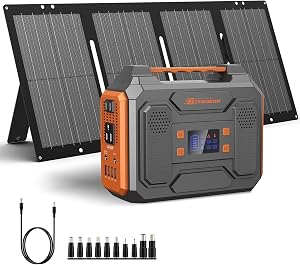
Growatt VITA 550 Portable Power Station
- 549Wh LFP battery
- 600W AC output (1000W surge)
- Charges 0–80% in 1.3 hours, 4 AC outlets
Mistake #1: Falling for the Wattage Trap
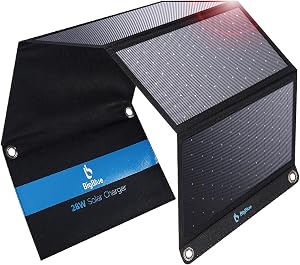
That bold "20-WATT" sticker on the box? It's a fantasy number — the rated maximum under perfect laboratory conditions: pristine panels, ideal angles, cool temperatures, zero clouds.
In the real world of dusty trails, hazy skies, hot afternoons, and imperfect sun angles? Expect to see 40 to 70% of that rated output. Sometimes less.
The Fix: Hunt for panels with high-efficiency monocrystalline cells (22%+ efficiency) and read independent, real-world tests — not breathless manufacturer claims.
Pro Tip from the Trail
> Always buy a panel rated for at least 50% more wattage than you think you need. Need 10W of real charging? Buy a 20W panel. Mother Nature charges a tax — and she doesn't take Venmo.
Mistake #2: Ignoring the Weight-to-Power Ratio
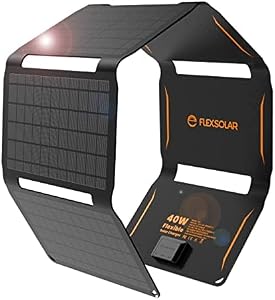
That rugged 40-watt monster looks heroic on Amazon — until you're 8 miles into a 12-mile day, your shoulders are screaming, and you'd happily trade it for a granola bar.
The sweet spot for every type of camper:
| Trip Type | Ideal Panel Weight | Recommended Wattage |
|---|---|---|
| Ultralight Backpacking | Under 12 oz | 5-10W |
| Standard Backpacking | 12-20 oz | 10-15W |
| Car Camping | No limit | 20-100W |
| Basecamp / RV | No limit | 100W+ |
Bottom line: The best solar panel is the one you'll actually carry. A 40W beast left in the garage charges exactly zero phones.
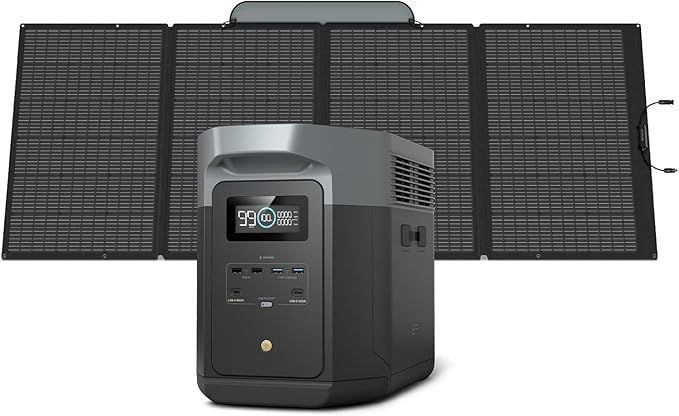
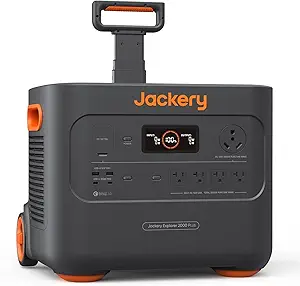
Jackery Explorer 1000 Plus Portable Power Station
- 1264Wh LFP battery, expandable to 5kWh
- 2000W output (4000W surge)
- ChargeShield fast charging technology
Mistake #3: Skipping the Power Bank Pairing
Here's a secret seasoned campers learn — usually after their first disastrous trip:
> A solar panel alone is almost useless for charging phones and small devices directly.
Why? Because every cloud that drifts overhead causes a voltage drop. Your phone sees the fluctuation, panics, and refuses to accept power. You'll plug in. Unplug. Replug. Cry quietly into your trail mix.
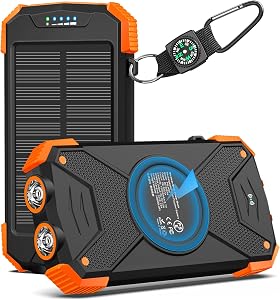
The elegant solution: Charge a power bank with your solar panel, then charge your devices from the power bank. The bank smooths out voltage chaos and delivers reliable, on-demand power exactly when you need it.
Watch This Before You Spend Another Dollar
A must-watch field breakdown of what actually works in real conditions versus what only looks impressive on paper.
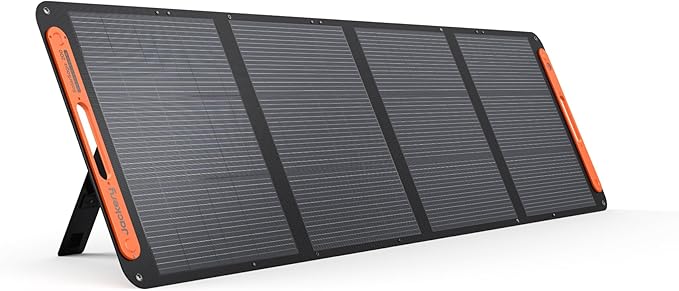
ALLPOWERS R600 Portable Power Station
- 299Wh LFP battery
- 600W AC output (1200W turbo)
- Ultra-compact 7.9 lbs, TSA airline-safe
Mistake #4: Not Knowing Your Real Energy Diet
Before you spend a single dollar, answer these three questions with brutal honesty:
- What devices am I actually charging?
- How many days will I be off-grid? Multiply daily usage by trip length, then add a 20% buffer for the unexpected.
- What's my backup plan? Multi-day overcast weather can flatline solar entirely. Always have a Plan B.
Key Takeaway
> The right solar charger isn't the most powerful or the cheapest — it's the one matched precisely to YOUR actual energy diet. Calculate first, shop second.
Mistake #5: Overlooking Build Quality and Weather Resistance
Your solar charger is about to live a brutal, glorious life. Bouncing on a pack. Tumbling onto granite. Drenched by surprise downpours. Coated in dust, sand, sunscreen, and probably some unidentified trail goo.
Non-negotiable features to demand:
- IPX4 rating or higher for splash and rain resistance
- Reinforced stitching on fabric panels (cheap stitching unravels in one season)
- Protected USB ports with rubber covers to block dust and moisture
- Reinforced grommets for hanging from tents, packs, or trees
- ETFE or PET laminate surface — far more durable than basic plastic
Mistake #6: Underestimating Cable and Port Quality
The sneakiest failure point isn't the panel. It's the cable.
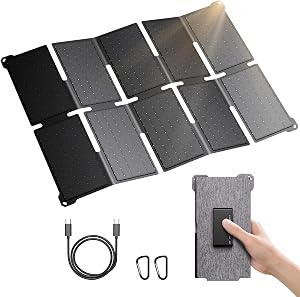
Cheap micro-USB cables fray, ports corrode, and a single bent pin can turn a $200 system into expensive luggage. Always pack two backup cables (USB-C is the modern standard) and inspect ports before every trip.
Mistake #7: Buying for the Trip You Wish You Took
We've all done it — bought the 100W foldable behemoth because we might do a 14-day base camp expedition someday. Meanwhile, 95% of your trips are weekend escapes where a 10W panel would crush it.
Buy for the camper you actually are, not the one in your daydreams. You can always upgrade later. Your wallet — and your back — will thank you.
See These Mistakes in Action
Real campers, real conditions, real lessons learned. Watch before you click "Buy Now."
The Final Word: Your Smart-Buyer Checklist
Before you check out, run through this list one last time:
- [ ] Is the wattage 50% higher than my actual need?
- [ ] Does the weight match my trip style?
- [ ] Am I pairing it with a quality power bank?
- [ ] Have I calculated my real energy diet?
- [ ] Is it weather-resistant and built tough?
- [ ] Do I have backup cables?
- [ ] Am I buying for the trips I actually take?
Now go build your perfect off-grid power setup — the right way.
Key Takeaways
- Choosing the right mistakes when buying solar charger for camping means matching capacity and output ports to your actual devices
- Always check actual watt-hours (Wh), not just watts — runtime depends on Wh, not peak output
- Also covers: solar charger buying tips
- Also covers: what to avoid solar panel
- Also covers: camping solar pitfalls
- Compare price-per-Wh across models to find the best value for your budget