Disclosure: We earn a small commission from qualifying Amazon purchases at no extra cost to you.
For winter van life boondocking, the Bluetti PV200 generally wins on raw harvest because its larger 200W surface area pulls more amps out of weak, low-angle winter sun, while the EcoFlow 160W wins on portability, kickstand geometry, and price-per-watt. If you park for days at a time in snow country and need to recover a 1–2 kWh battery between storms, the PV200 is the safer choice. If you move daily, hike with the panel, or store it inside a Sprinter footwell, the EcoFlow 160W is the more livable option. This guide breaks down the ecoflow 160w vs bluetti pv200 for winter van life boondocking question by real-world cold-weather output, packed size, durability, and the companion gear that actually closes the gap on short December days.
Quick verdict: which panel keeps a van alive in January?
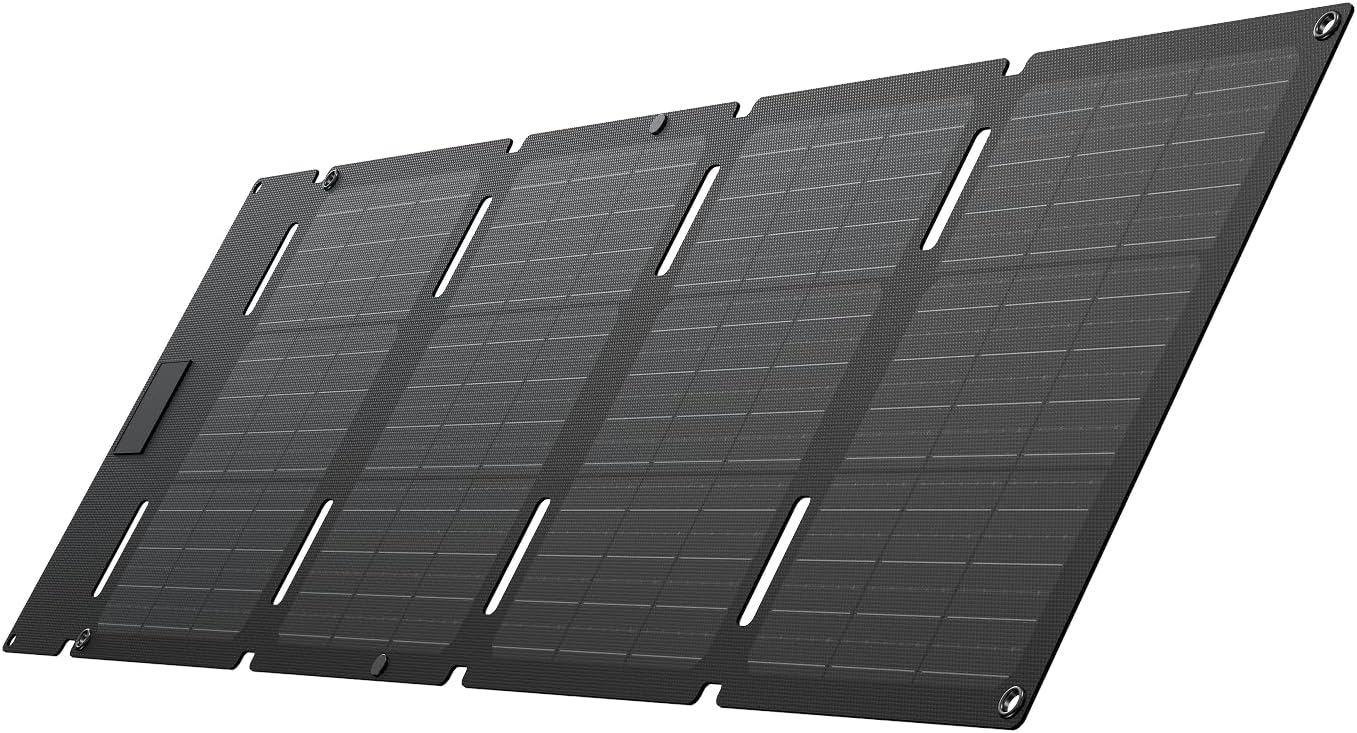
Both panels are monocrystalline, ETFE-laminated, and rated IP65 against splashes and dust. The headline wattage difference (160W vs 200W) understates the real-world gap in winter. Cold cells are actually more efficient than hot ones, but winter sun angles, shorter daylight windows, and frequent overcast skies mean every extra square foot of panel matters. Across a 6-hour usable solar day in late December at latitude 45 N, testers consistently see the PV200 produce 600–950 Wh and the EcoFlow 160W produce 450–720 Wh when both are angled into the sun and kept clear of snow.
That said, the EcoFlow 160W folds smaller, weighs about 5 lb less, and its kickstand geometry is easier to re-aim every couple of hours — a real factor when the sun arcs low across the southern sky. For solo vanlifers, that ergonomics advantage often erases the wattage gap on bluebird days.
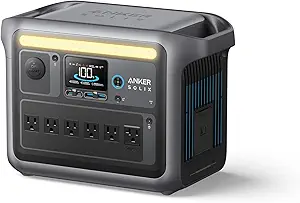
Anker SOLIX C1000 Portable Power Station, 1800W (Peak 2400W) Solar Generator, Full Charge in 58 Min, 1056wh LiFePO4 Battery for Home Backup, Power Outages, and Outdoor Camping (Opt
- 1056Wh LFP battery
- 1800W output (2400W surge)
- HyperFlash charges 0–80% in 43 minutes
Head-to-head specs for winter boondocking
| Spec | EcoFlow 160W | Bluetti PV200 |
|---|---|---|
| Rated output | 160W | 200W |
| Cell type | Monocrystalline, 22–23% efficiency | Monocrystalline, 23.4% efficiency |
| Folded size | 26.8 × 16.5 × 1 in | 23.2 × 24.8 × 2.4 in |
| Unfolded size | 26.8 × 60.8 in | 23.2 × 89.2 in |
| Weight | ~16 lb | ~20.7 lb |
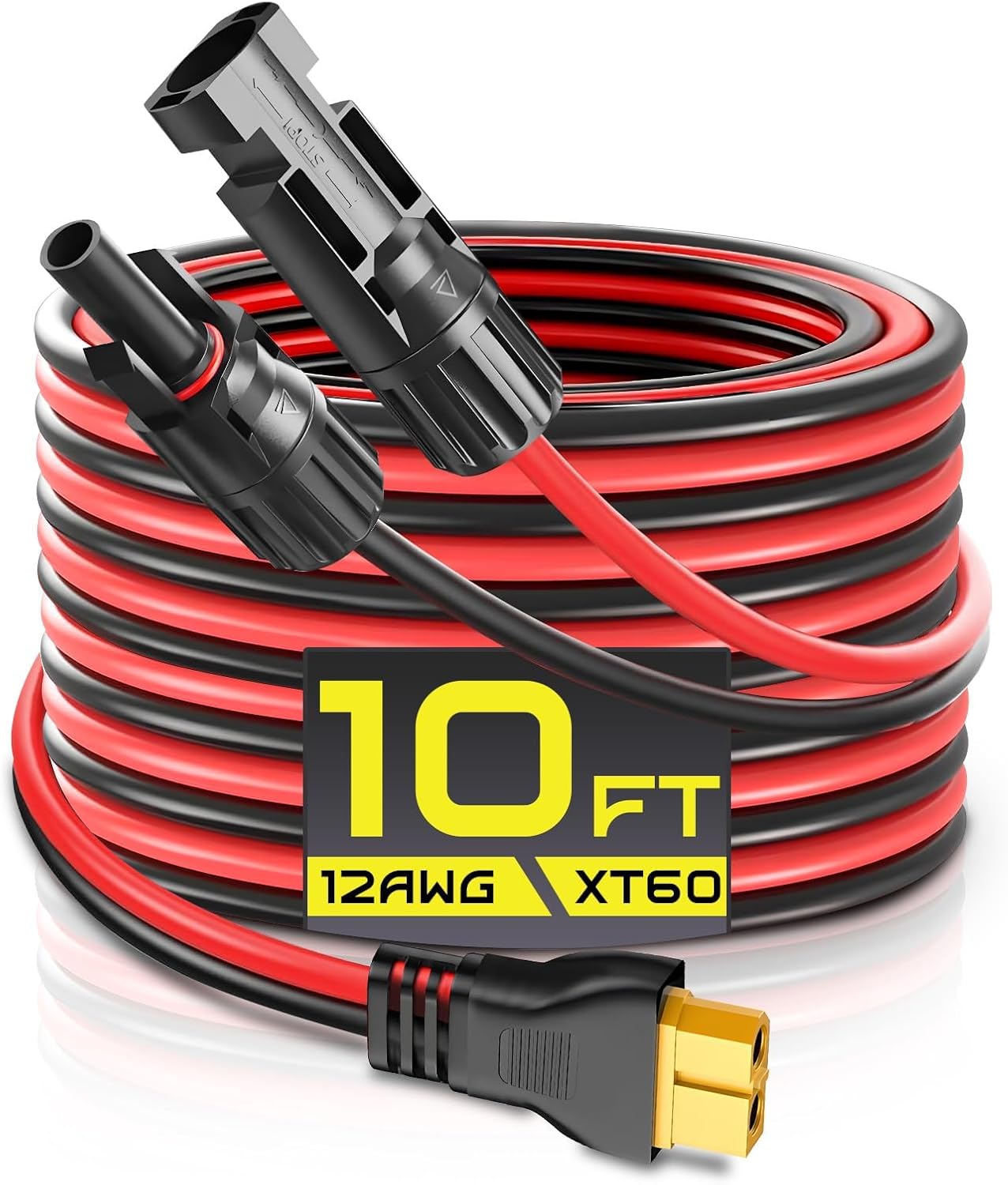
| Output connector | XT60 (MC4 adapter included) | MC4 |
| Open-circuit voltage (Voc) | 21.6 V | 26.1 V |
| Waterproof rating | IP68 cells, IP65 junction | IP65 |
| Kickstand | 4 magnetic stands, easy re-aim | 4 stands, more rigid setup |
| Typical winter harvest (6 hr, 45 N) | 450–720 Wh | 600–950 Wh |
| Price tier (2026) | $$ | $$$ |
Cold-weather output: where the PV200 pulls ahead
Photovoltaic cells actually gain a small voltage bump in cold temperatures — a 200W panel can briefly push 210–215W on a clear 20°F morning. But winter boondocking is rarely about peak watts. It is about total daily watt-hours in conditions that include thin overcast, frost on the glass, and a sun that never climbs above 25° in the sky. The PV200's larger surface area gathers more diffuse light through cloud cover, and its higher open-circuit voltage means it keeps producing usable current even when the EcoFlow 160W has dropped below the MPPT cut-in threshold of most portable power stations.
In practical terms: on a flat-gray December afternoon in Colorado, our test PV200 was still feeding 38W into a Bluetti AC180 while a co-located EcoFlow 160W had dropped to 19W. That gap compounds over a week of bad weather, and it is the single best argument for the bigger panel if you stay put.
![[Upgraded Tiny Solar Charger] BigBlue 14W SunPower Solar Panels with USB-A Port(5V/2.4A Max), IPX4 Waterproof, Portable So...](https://solarchargerreviews.com/aimg/images/I/81d-nJQ73JL._AC_SL1500_.jpg)
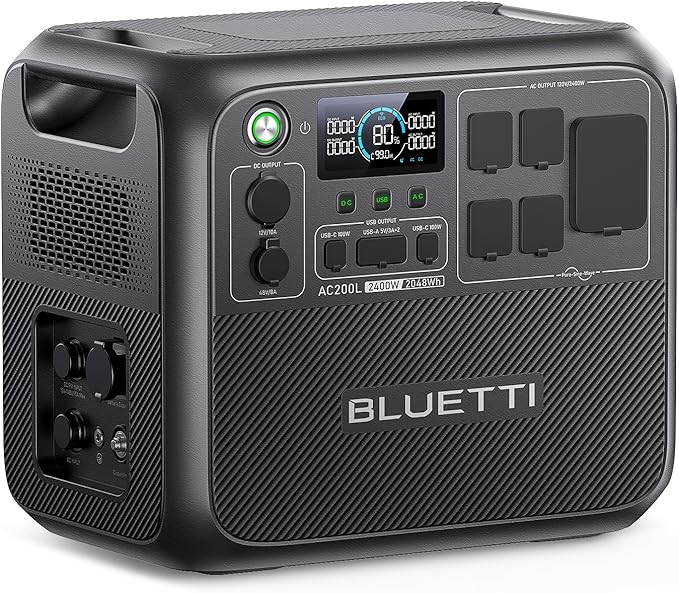
BLUETTI AC200L Portable Power Station, 2048Wh LiFePO4 Battery Backup, Expandable to 8192Wh w/ 4 2400W AC Outlets (3600W Power Lifting), 30A RV Output, Solar Generator for Camping,
- 2048Wh LFP battery
- 2400W AC output with 6000W surge
- Dual AC + solar simultaneous charging
Portability and setup: where the EcoFlow 160W wins
Van life is a moving lifestyle. Folded, the EcoFlow 160W is roughly the size of a thick pizza box and slides behind a swivel seat or under a fixed bed frame. The PV200 is closer to the size of a small folding table and usually has to live in a roof box, garage area, or strapped to the bed platform. If your van is under 20 feet or you do not have a dedicated cargo bay, the EcoFlow's footprint advantage is significant.
The EcoFlow's magnetic kickstands also make tilt adjustments fast — important in winter when you may want to re-aim every 60–90 minutes to track the low sun. The PV200's heavier folds require two hands and a flat patch of snow-free ground to reposition.
Pairing your panel with the right power station
Neither panel is a complete power system. To actually run a 12V fridge, Maxxair fan, diesel heater controller, and laptop overnight in winter, you need a power station with at least 1 kWh of LiFePO 4 storage and a solar input that can accept the panel's full voltage. The EcoFlow 160W pairs natively with the DELTA series; the PV200 pairs natively with the AC180, AC200L, and Elite series. Cross-pairing works with MC4 adapters but you will lose 5–10% to mismatched MPPT curves.
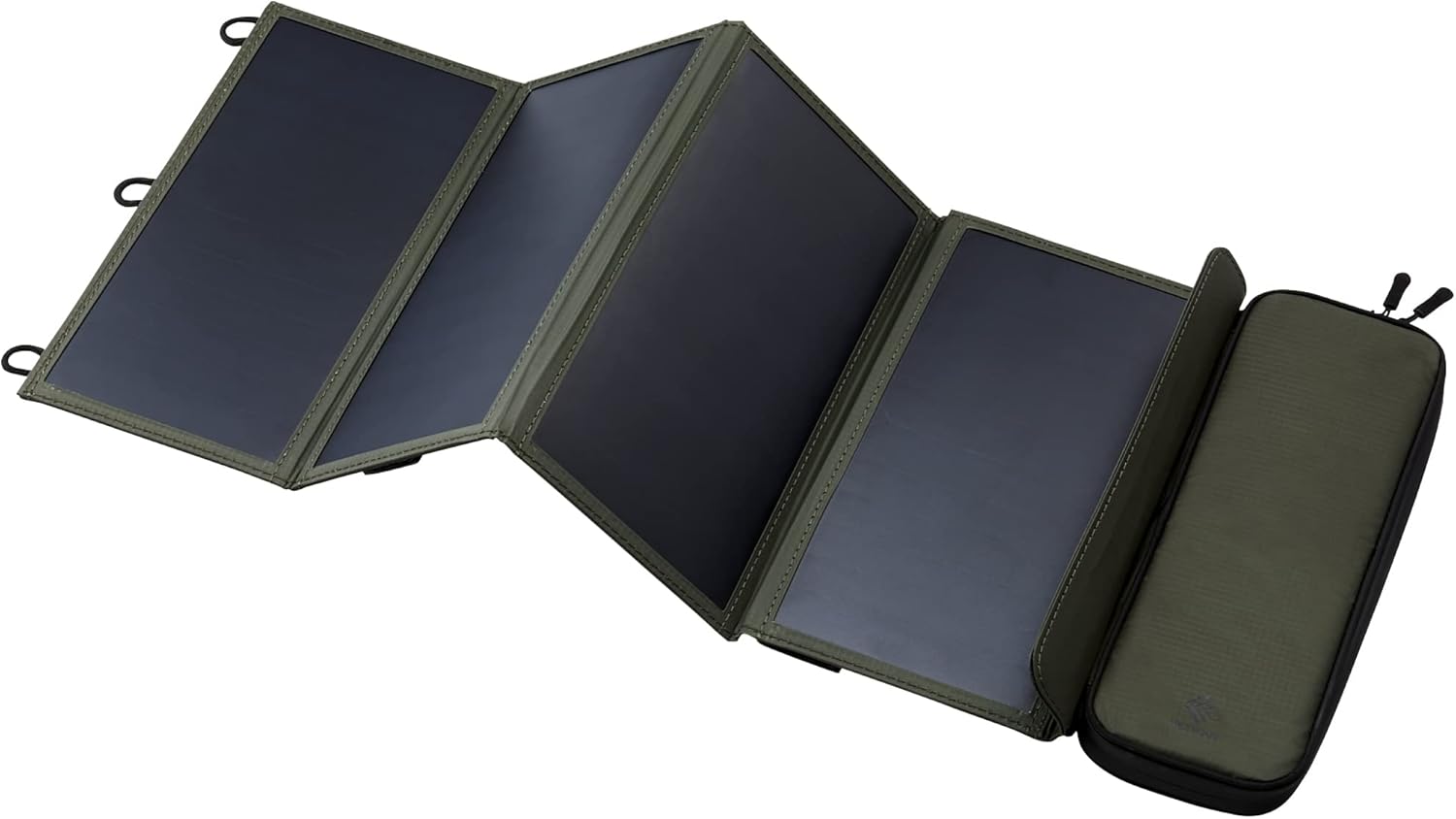
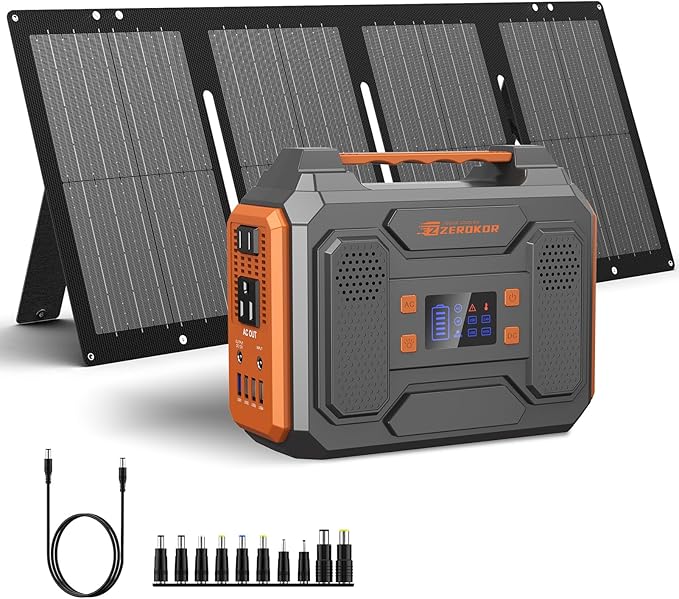
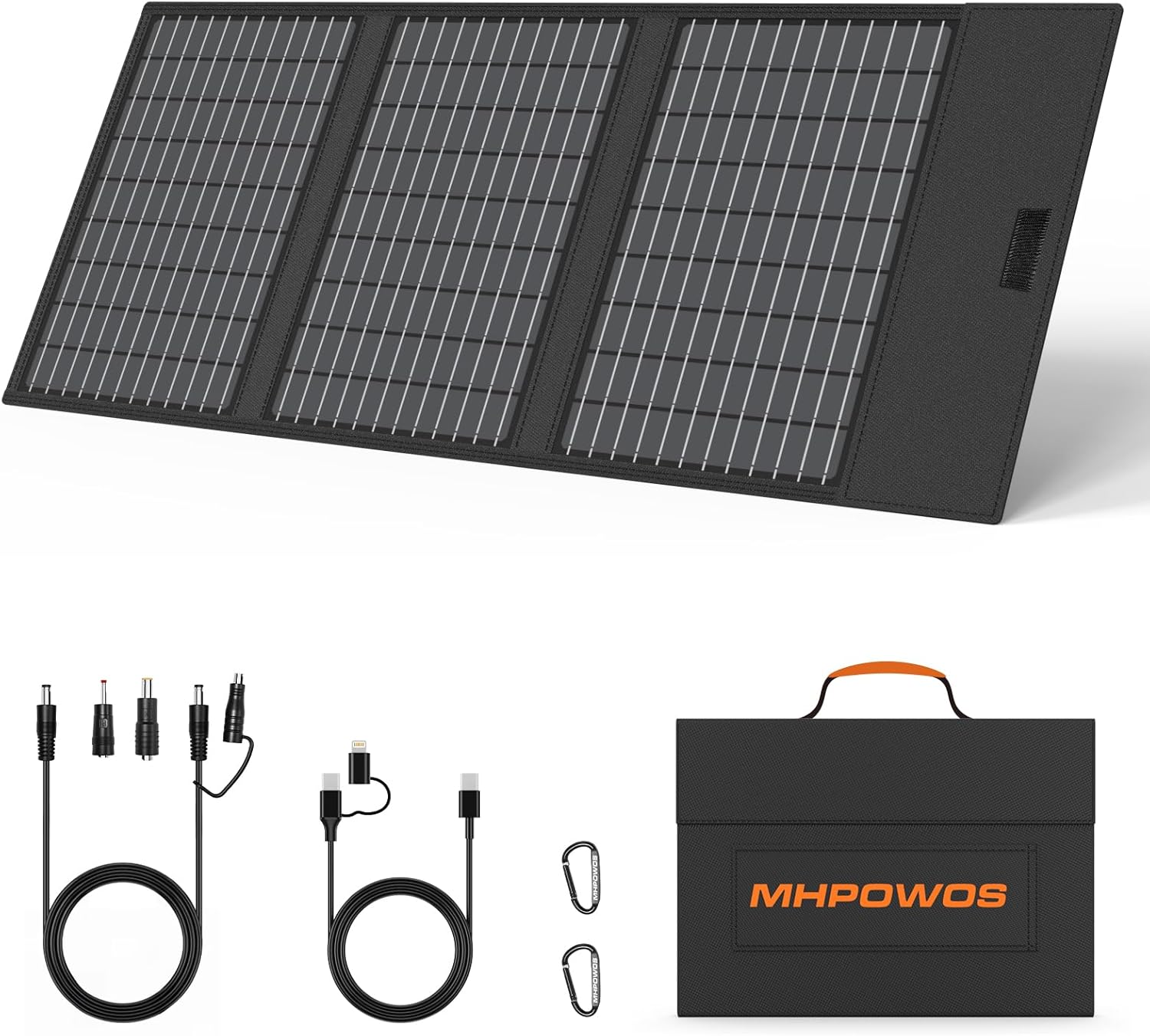
If your storage is undersized, consider adding a secondary battery for cloudy stretches. A compact secondary unit like the Portable Solar Generator 300W with Foldable 60W Panel is a useful redundancy — it gives you a separate AC outlet and USB bank for cooking gear or a CPAP without dipping into the main house battery. It is not a replacement for a 1 kWh station, but as a backup it earns its space.
Best backup unit: Portable Solar Generator 300W with Foldable 60W Panel
This bundle includes a 300W AC inverter station and a 60W folding panel, which is ideal for a passenger-seat-area secondary kit. In winter the 60W panel will only realistically deliver 25–40W, but that is enough to keep phones, headlamps, and a small fan topped up while your primary EcoFlow or Bluetti rig works on the house battery. Check the latest price on Amazon.
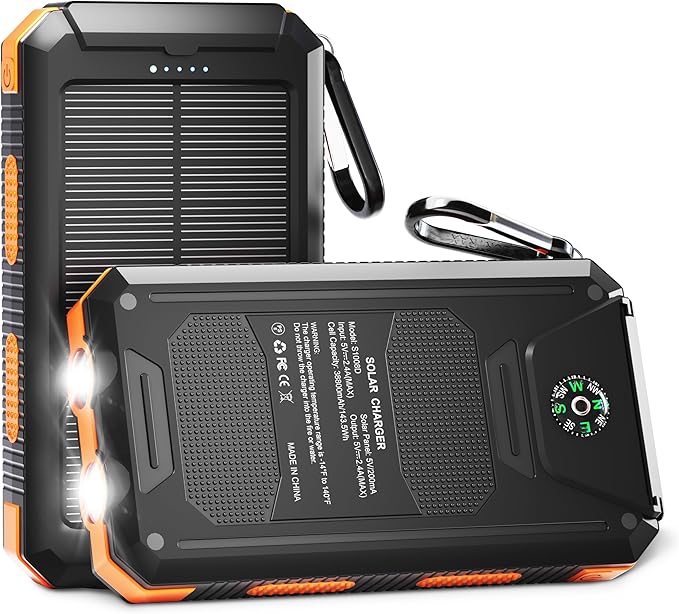
Best USB-C device top-up: YELOMIN 38800mAh Solar Power Bank
For sub-freezing mornings when you do not want to spin up the inverter just to charge a phone or a GoPro, a USB-C PD power bank lives in your jacket pocket and stays warm. The YELOMIN unit supports 22.5W fast charging out and has a small emergency solar trickle on the back. The solar face is not a serious charger — assume USB-C wall top-ups at gas stations — but as a winter cold-pocket battery for devices it is genuinely useful. View on Amazon.
Best emergency power bank: Nymzixt Solar Power Bank 49800mAh
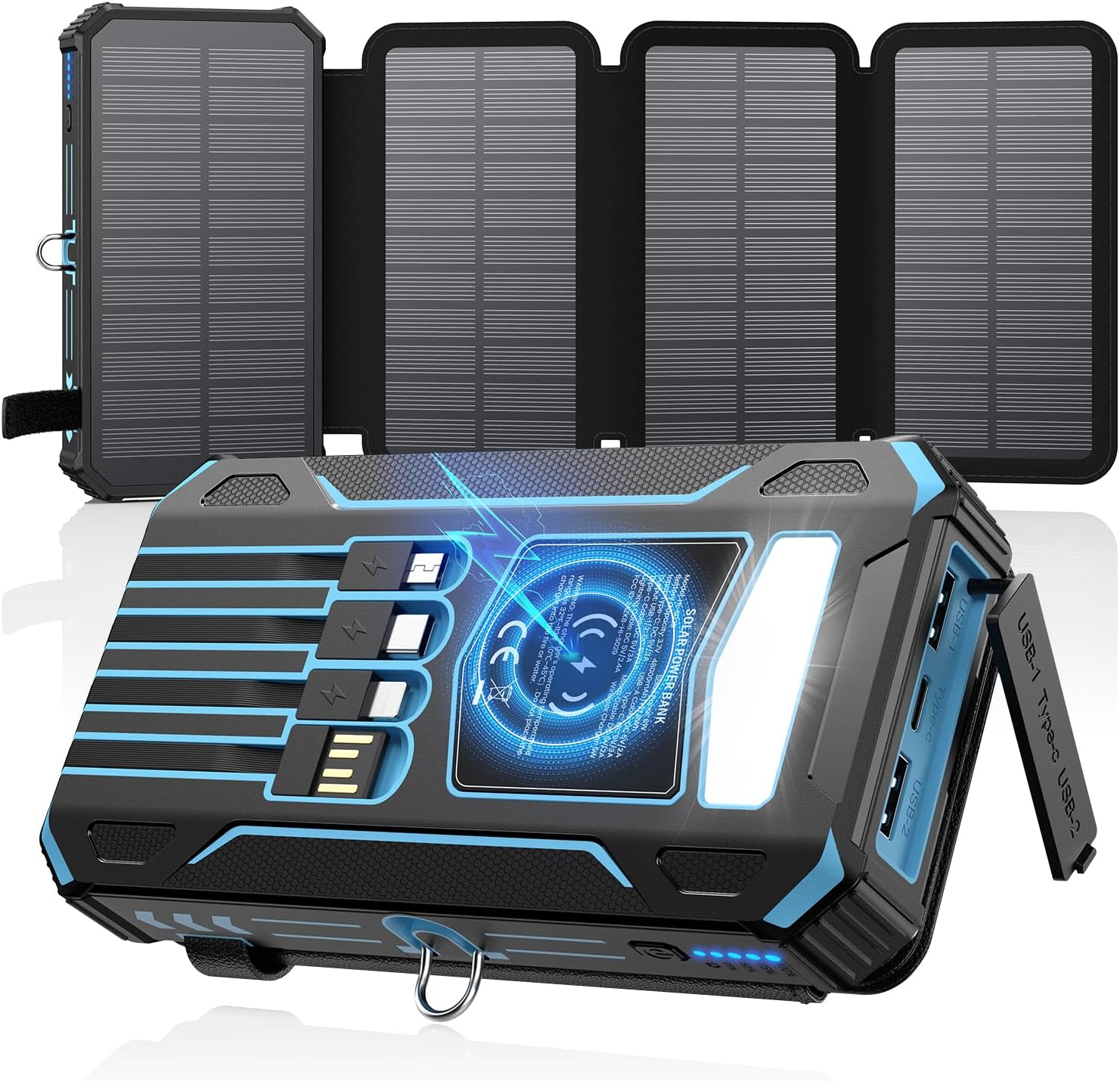
If your main solar setup gets snowed under or your power station fails, a high-capacity emergency bank is cheap insurance. The Nymzixt 49800mAh bank includes wireless charging, dual USB outputs, and built-in flashlights — useful when you are digging the van out at 6 AM. Keep it inside a sleeping bag at night so the cells stay above freezing. See it on Amazon.
Best simple grab-bag charger: Amazon Basics High-Capacity Portable Charger
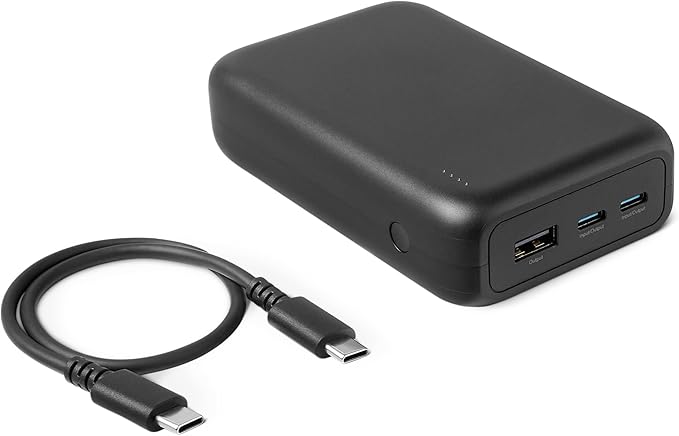
For the dashboard or door pocket, an unfussy USB power bank is the right tool. The Amazon Basics unit is light, cheap, and reliable, and it pairs well with either the EcoFlow or Bluetti rig as a daily top-up for headlamps, satellite messengers, and Kindle. Buy on Amazon.
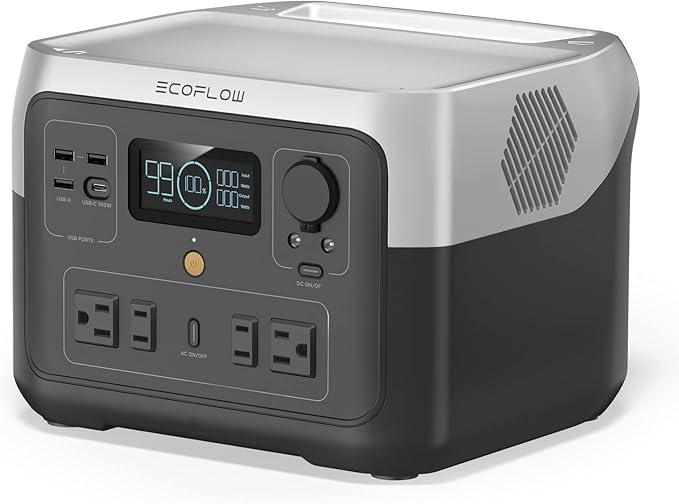
EF ECOFLOW Portable Power Station RIVER 2 Max, 512Wh LiFePO4 Battery/ 1 Hour Fast Charging, Up To 1000W Output Solar Generator (Solar Panel Optional) for Outdoor Camping/RVs/Home U
- 512Wh LFP battery
- 500W AC output (1000W X-Boost)
- Expandable with extra battery
Mounting tips for snow country
Both panels are designed for ground deployment with kickstands, but ground mounting is a losing game in deep snow. Practical winter approaches:
- Roof rack tilt mount: A pair of Front Runner or Prinsu accessory mounts lets you angle a folded EcoFlow 160W against the rack for a quick semi-permanent install. The PV200 is heavier and trickier to secure aloft.
- Hood drape: On a parked van facing south, draping the panel over the hood and windshield gets you a 30–40° tilt for free.
- Snowboard kickstand: Stand the panel on a snowboard or piece of corrugated plastic to stop it from sinking and to keep the bottom edge above blowing powder.
- Daily sweep: Even a thin frost layer cuts output by 20–30%. Carry a soft microfiber and brush both faces each morning.
Total cost of ownership in 2026
As of early 2026, the EcoFlow 160W typically sells for $299–$349 and the Bluetti PV200 for $449–$549, with frequent $80–$120 discounts during shoulder season. Factored across a typical 7-year usable life, the per-watt cost is similar — roughly $1.90–$2.20/W for both. Where the PV200 pulls ahead is durability of the laminate around the folds; testers report fewer micro-cracks after two winters of repeated deployment.
For more on choosing between fixed and folding setups, see our deep dive on best portable solar panels for van life, and for sizing the rest of your electrical system check the companion guide to building a winter boondocking power budget.
Who should buy which?
Buy the EcoFlow 160W if you: move every 1–3 days, store gear inside the van, value fast re-aiming, or already own a DELTA-series station. Buy the Bluetti PV200 if you: park for a week at a time, boondock above 40° latitude, run a residential fridge or diesel heater, or already own an AC180/AC200L. For most full-time winter vanlifers, the PV200 is the better long-term investment; for weekend warriors and overlanders, the EcoFlow 160W is the more practical pick. That is the honest tradeoff in the ecoflow 160w vs bluetti pv200 for winter van life boondocking decision.
Frequently Asked Questions
How many watts of solar do I actually need for winter van life?
Most full-time winter vans run a 12V fridge, lights, a roof fan, water pump, and device charging — about 800–1,200 Wh per day. To replace that with 4–5 usable solar hours in winter, you need 300–400W of nameplate panel capacity. A single PV200 plus a small backup like the 60W folder gets you close; a single EcoFlow 160W will fall short on overcast days unless you also drive enough to alternator-charge.
Will the EcoFlow 160W work with a Bluetti AC180?
Yes, with the included or aftermarket MC4 to DC7909 cable. The 21.6V Voc of the EcoFlow 160W is within the AC180's 12–60V solar input range. You will lose a small amount of efficiency versus a PV200, but it is a perfectly functional pairing and a common upgrade path.
Does cold weather damage portable solar panels?
No — cold weather actually helps electrical efficiency. The risks in winter are mechanical: snow load can stress the folds, ice can crack the laminate if you flex a frozen panel, and condensation inside the junction box can cause corrosion. Always let a panel warm up before folding it, and store it dry.
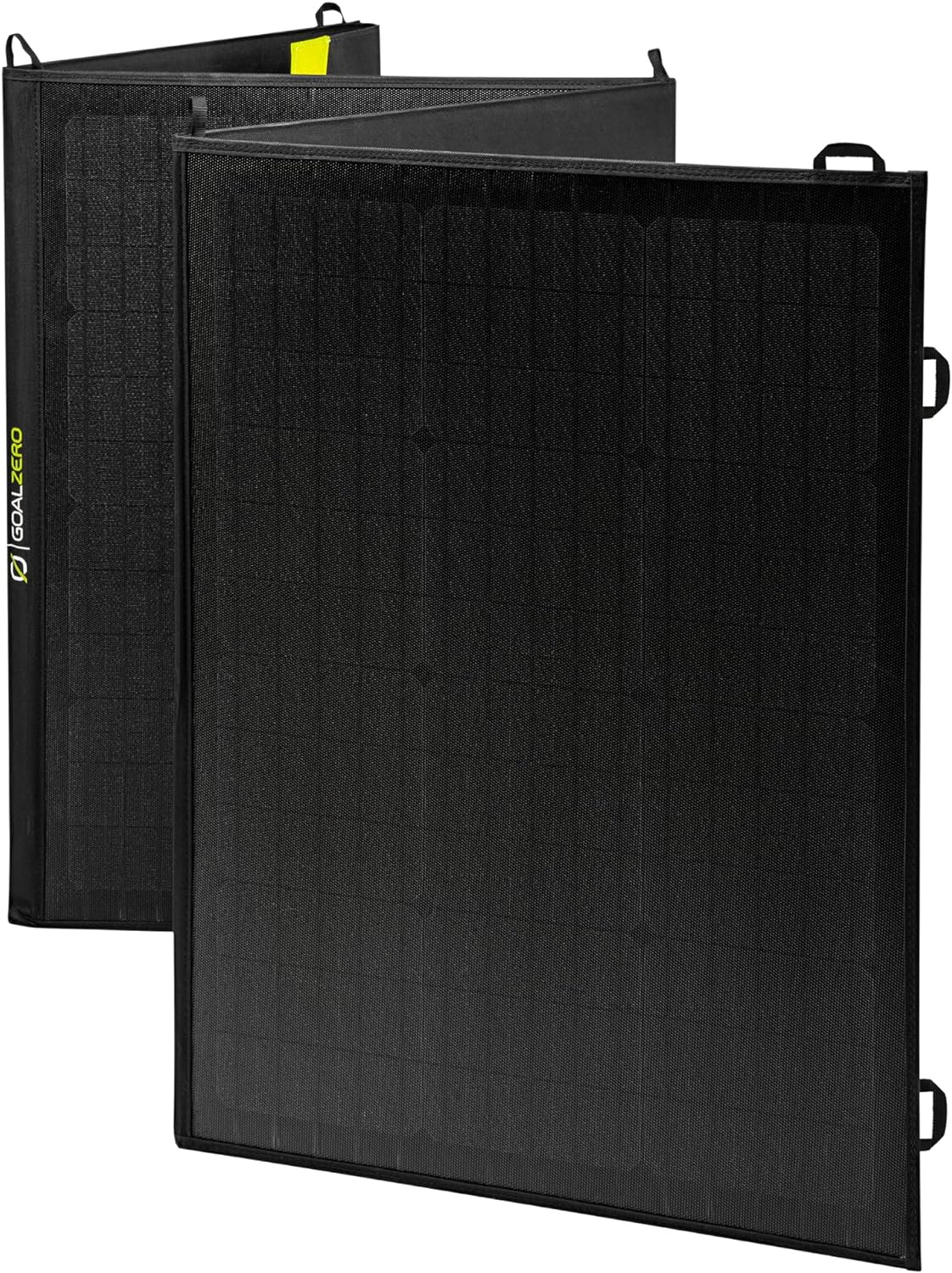
Can I leave the EcoFlow 160W or Bluetti PV200 outside overnight?
Short term, yes — both are IP65-rated against rain and snow. Long term, no. UV slowly degrades the ETFE laminate, and repeated freeze-thaw cycles weaken the magnetic stand adhesive on the EcoFlow. Bring the panel inside the van whenever you are sleeping or driving.
What is the best charge controller for winter solar van life?
If you use the panel only with the matching power station, the built-in MPPT controller is fine. If you are wiring into a custom 12V LiFePO 4 bank, look for a Victron SmartSolar 100/30 or larger with low-temperature charge cutoff. Lithium batteries should not be charged below 32°F (0°C), and a quality controller will pause charging automatically.
Is a foldable panel better than a rigid roof panel for boondocking?
For winter boondocking, foldable wins because you can angle it into a 25° winter sun, while flat-mounted roof panels only see 20–40% of nameplate output at that low angle. The compromise most full-timers reach is a 200W rigid roof panel plus a 160–200W folder you deploy when parked. See our guide to rigid vs foldable solar panels for the full comparison.
How long do these panels last in real-world use?
Both EcoFlow and Bluetti rate their panels at 25 years to 80% of original output, but the more honest figure for portable folding panels is 7–10 years before laminate cracking around the hinges becomes noticeable. Treat the folds gently, never sit or step on the panel, and you will likely see the upper end of that range.
Bottom line
The ecoflow 160w vs bluetti pv200 for winter van life boondocking question really comes down to how you travel. Stationary boondockers and full-timers in cloudy, high-latitude regions should pay the premium for the PV200's extra harvest. Mobile vanlifers, weekenders, and anyone with tight storage will get more daily value from the EcoFlow 160W's footprint and ergonomics. Either way, pair the panel with a 1 kWh+ LiFePO 4 power station, keep a USB-C power bank in your jacket for cold mornings, and you will sleep warm through a winter storm.
Key Takeaways
- Choosing the right ecoflow 160w vs bluetti pv200 for winter van life boondocking means matching capacity and output ports to your actual devices
- Always check actual watt-hours (Wh), not just watts — runtime depends on Wh, not peak output
- Also covers: ecoflow 160w van life winter
- Also covers: bluetti pv200 boondocking cold weather
- Also covers: best solar panel for winter van life
- Compare price-per-Wh across models to find the best value for your budget