Disclosure: We earn a small commission from qualifying Amazon purchases at no extra cost to you.
The Goal Zero Boulder 200 Briefcase is one of the cleanest off-grid solar solutions for an Airstream Basecamp parked deep on BLM land or a national-forest pull-off. If you're running a goal zero boulder 200 airstream basecamp dispersed setup, this 200-watt monocrystalline panel folds in half like a suitcase, kicks out roughly 100-140 watt-hours per peak sun hour, and pairs natively with a Goal Zero Yeti via the 8mm port. Below we walk through panel placement on the Basecamp's curved roof, real-world charge times for 2026, wiring through the cabin window, and the best companion power banks for phones, tablets, and headlamps.
Why the Boulder 200 Briefcase fits the Basecamp so well
The Airstream Basecamp 16X and 20X ship with minimal native solar - the standard 16 has no roof panels, and the optional rooftop array tops out around 130W. That isn't enough to recharge a Yeti 500X or 1500X during the short shoulder-season days most dispersed campers actually use. The Boulder 200 Briefcase doubles or triples your input without permanent roof penetrations, which matters because the Basecamp's curved aluminum skin isn't friendly to standard Z-brackets.
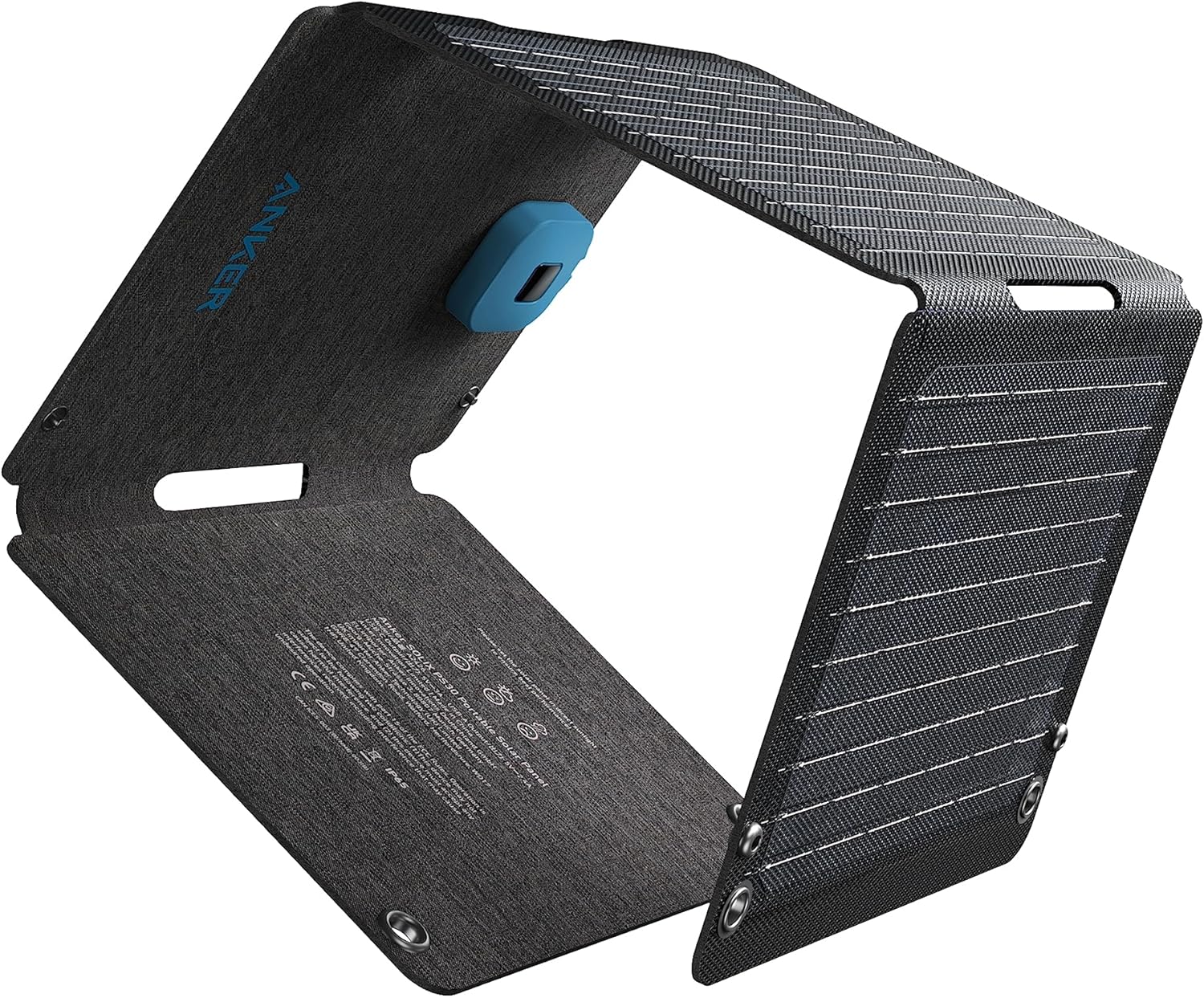
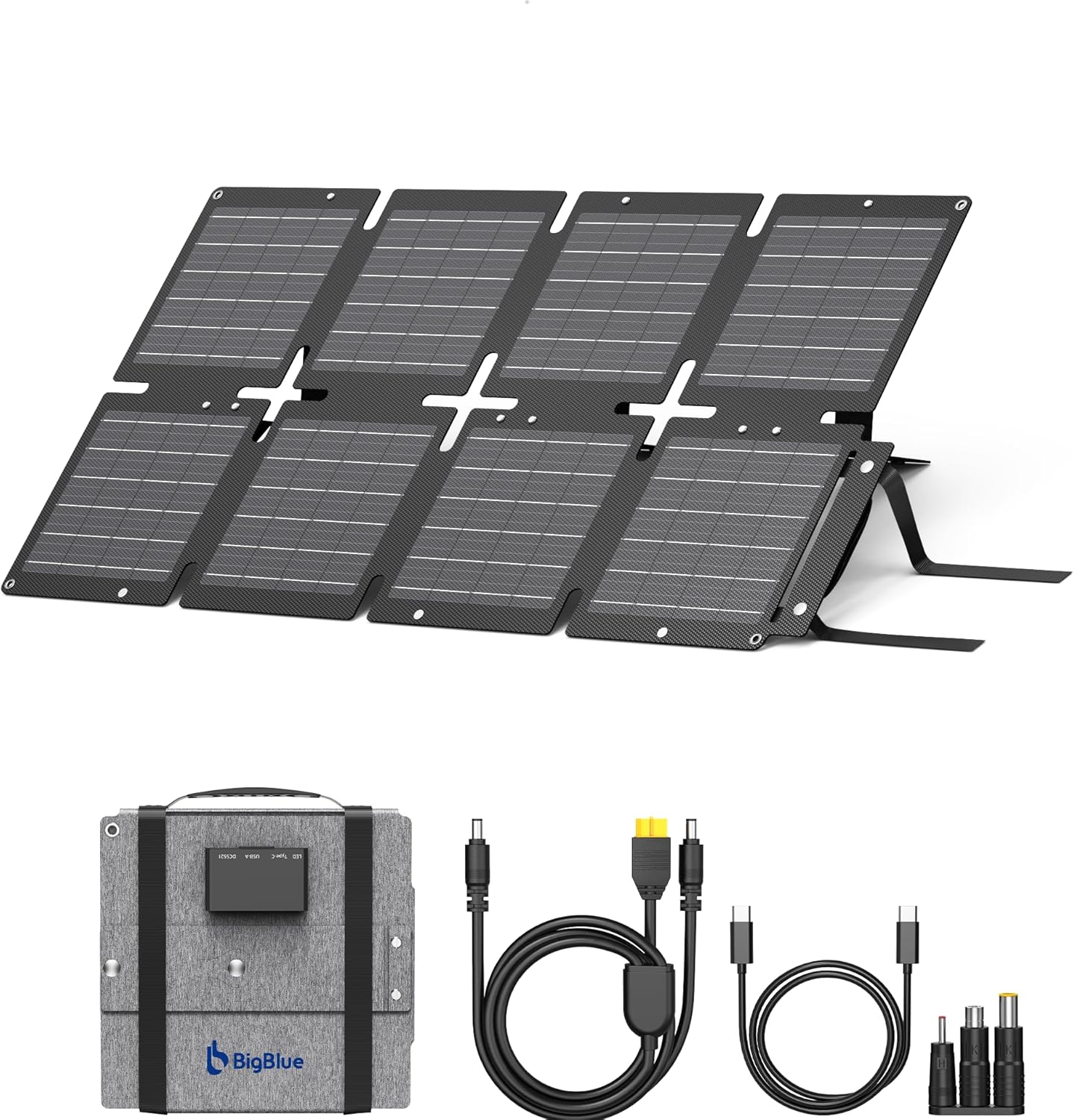
The briefcase form factor folds to 40 x 26.75 x 3.5 inches at 42 pounds - heavy, but it slides behind the gaucho bench or into the rear cargo door of a 20X without rattling. The integrated kickstand legs let you tilt toward the sun and chase the arc through the day, which is the single biggest predictor of how much wattage you actually capture compared to a flat rooftop install.
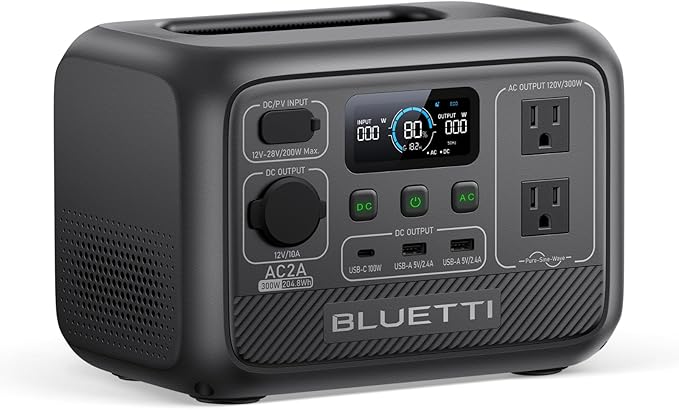
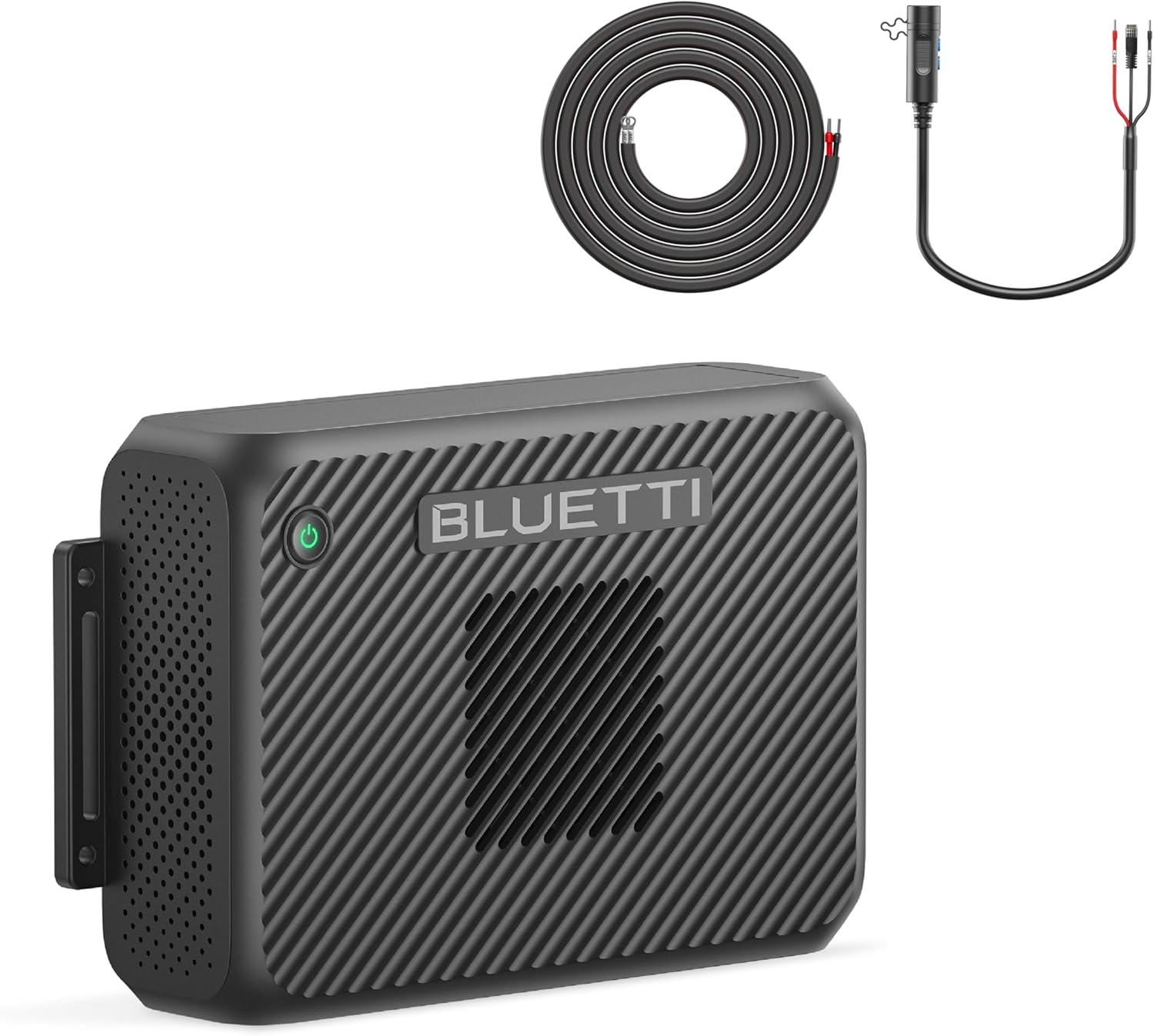
BLUETTI Elite 30 V2 Portable Power Station, 288Wh Solar Generator, 600W AC Outlets (Power Lifting 1500W), Fast Charging LiFePO4 Battery Backup for Camping, Road Trip, Outage (Solar
- 204Wh LFP battery
- 300W AC output
- Ultra-light at 7.7 lbs, 2-year warranty
Real charge math for a goal zero boulder 200 airstream basecamp dispersed weekend
Here's the math most YouTube videos skip. A Yeti 500X has 505Wh of usable capacity. The Boulder 200, in full sun with the kickstand angled within 15 degrees of perpendicular to the sun, delivers around 160W of real-world output (the 200W rating is STC lab conditions). That means a fully empty Yeti 500X takes about 3.5-4 hours of strong sun. A Yeti 1500X (1516Wh) takes 10-11 hours - effectively a day and a half of solid sun.
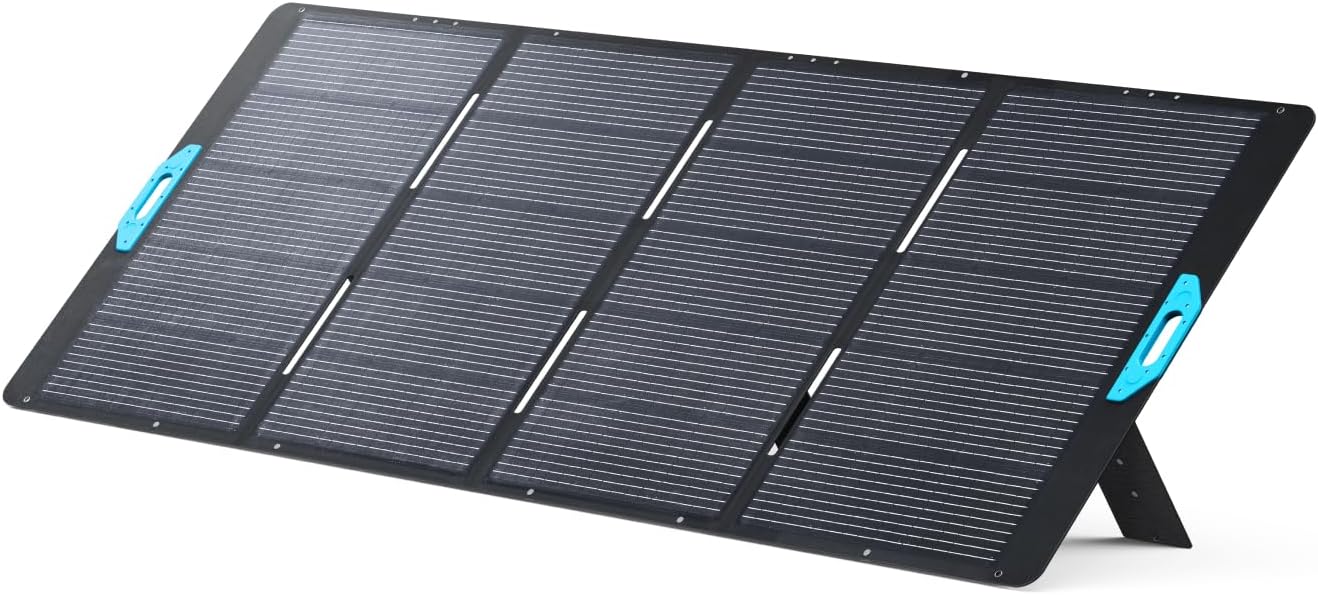
For a typical Basecamp dispersed loadout - LED lights, a 12V Dometic CFX 35 fridge cycling around 35Wh/hour, phone and laptop charging, a Starlink Mini drawing 25-40W when streaming - you'll burn 400-700Wh per day. The Boulder 200 covers that with one good solar day per camp day, with a small surplus you can throw at a backup power bank.
Setting up the briefcase next to your Basecamp
Park the Basecamp so the curbside (door side) faces south if you're in the northern hemisphere. Open the briefcase 10-15 feet from the rig so it isn't shaded by the trailer's silhouette during morning or late afternoon. Use the supplied 30-foot 8mm extension to route through the cabin window with the included foam seal - or run it through the rear cargo door of the 20X with a piece of split swim-noodle to protect the gasket.
Re-tilt the panel three times a day if you can: morning, midday, late afternoon. That single habit adds 20-30% to your daily harvest versus leaving it flat. Don't lay it flat on the ground - heat soak from the aluminum chassis crushes the voltage curve.
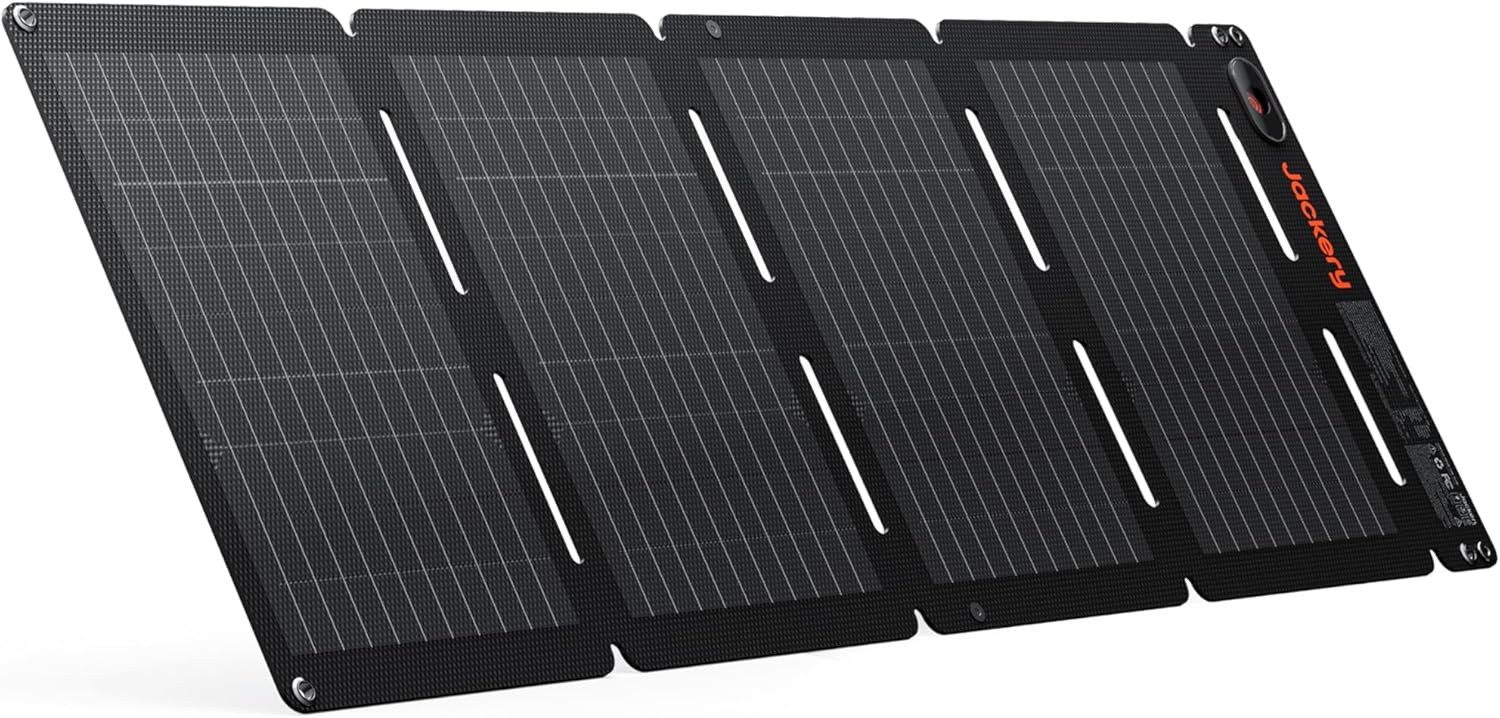
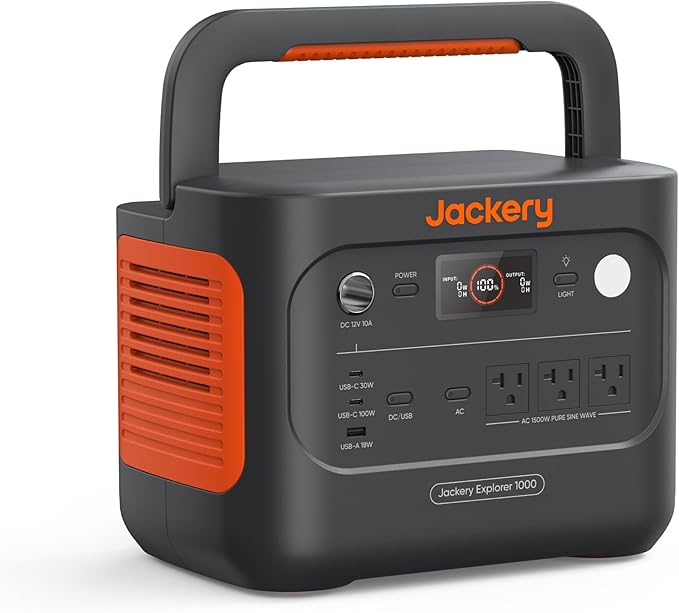
Jackery Explorer 1000 v2 Portable Power Station,1070Wh LiFePO4 Battery,1500W AC/100W USB-C Output, 1 Hr Fast Charge, Solar Generator for Camping,Emergency, RV, Off-Grid Living(Sola
- 1070Wh LFP battery
- 1500W pure sine wave output
- ChargeShield 2.0 fast charging
Companion power banks for the small stuff
The Boulder 200 plus a Yeti is the backbone, but you don't want to fire up the Yeti every time someone needs to top off a phone. A few smaller solar power banks ride along to handle nightstand-level loads and act as backup if the Yeti runs dry on a stretch of overcast days. Here are the four we'd actually pack in the Basecamp's under-bench storage.
| Product | Capacity | Best for | Fast charge | Weight |
|---|---|---|---|---|
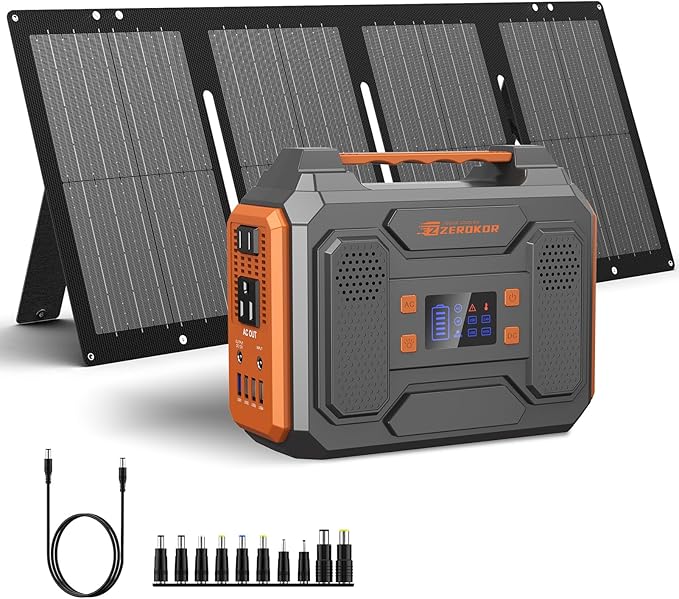
| Portable Solar Generator 300W + 60W Panel | ~300Wh | Backup mini power station | AC + DC PD | ~8 lb |
| YELOMIN 38800mAh USB-C | 38,800 mAh | Laptops, tablets, Starlink Mini | USB-C PD | 1.4 lb |
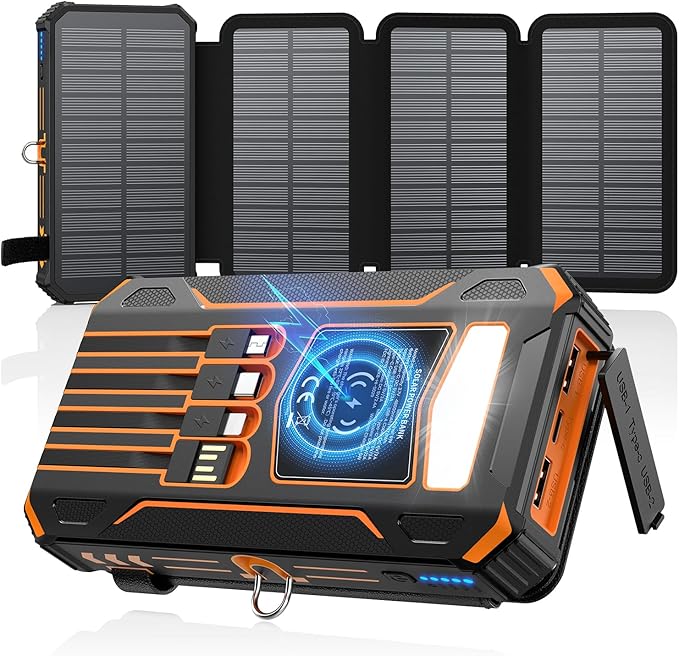
| SOARAISE 48000mAh Wireless | 48,000 mAh | Wireless phones, multi-device | 22.5W | 1.6 lb |
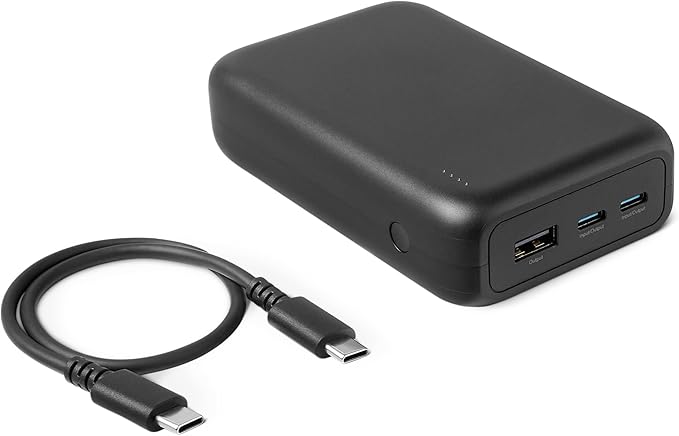
| Amazon Basics Portable Charger | 20,000 mAh | Lightweight phone topper | USB-C PD | 0.9 lb |
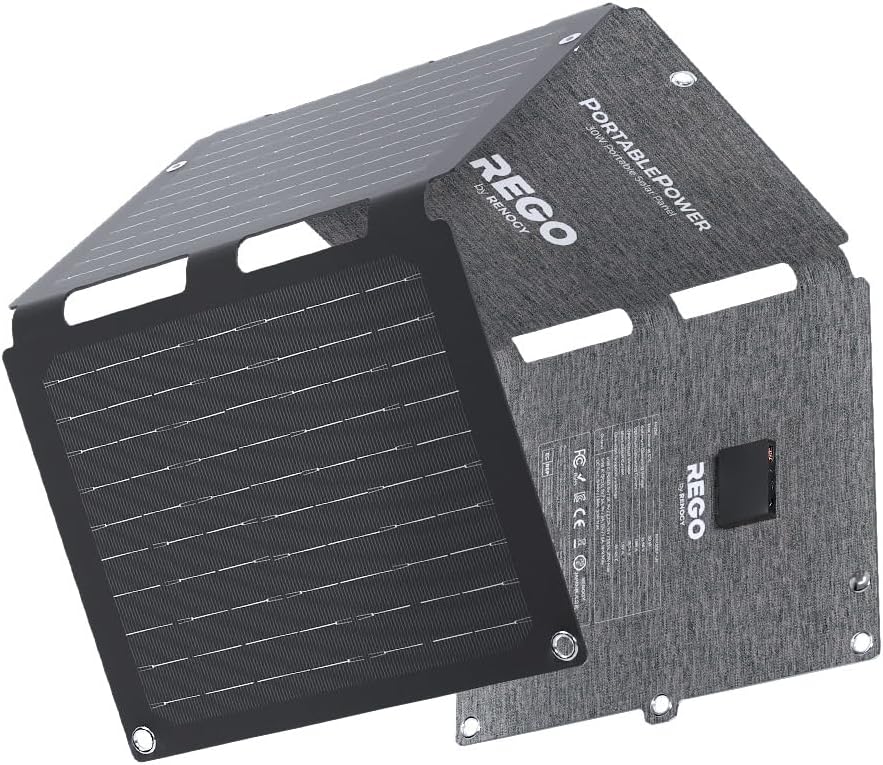
Portable Solar Generator 300W with Foldable 60W Panel - best backup power station
If a string of rainy days kills your solar harvest and the Yeti gets uncomfortably low, this 300W station with its own 60W foldable panel is the safety net. It's small enough to live permanently in the Basecamp's rear hatch, and the included panel doubles your solar surface area on snow days when the Boulder 200 alone isn't keeping up. The 12V DC output also runs a Starlink Mini directly without spinning up an inverter. Check it on Amazon.
YELOMIN 38800mAh Solar Power Bank - best for USB-C laptops and Starlink Mini
USB-C PD output is the spec to watch on a 2026 dispersed trip. The YELOMIN delivers fast charging for MacBook Airs, iPads, and the Starlink Mini's USB-C port without firing up the Yeti inverter (which costs 10-15% in conversion losses every time). At 38,800mAh it fully tops a MacBook Air 13" twice, with margin for phones. See current price.
SOARAISE Solar Charger Power Bank 48000mAh Wireless - best multi-device family bank
The SOARAISE is the one we hand to passengers and kids because it charges three phones at once - two wired plus one Qi pad - without juggling cables in the dinette. Its onboard trickle solar isn't fast enough to be primary, but it does keep the pack from drifting down during multi-day camps and adds a Qi surface for AirPods cases and a Pixel. View on Amazon.
Amazon Basics High-Capacity Portable Charger - best lightweight everyday topper
Sometimes you just need a no-frills brick that lives in the door pocket and refills a phone on the hike. Amazon Basics ships fast on Prime, the cell quality is fine for casual use, and at under a pound it's the one we throw in a daypack without thinking. Check the listing.
Wiring the Boulder 200 into a Basecamp without drilling
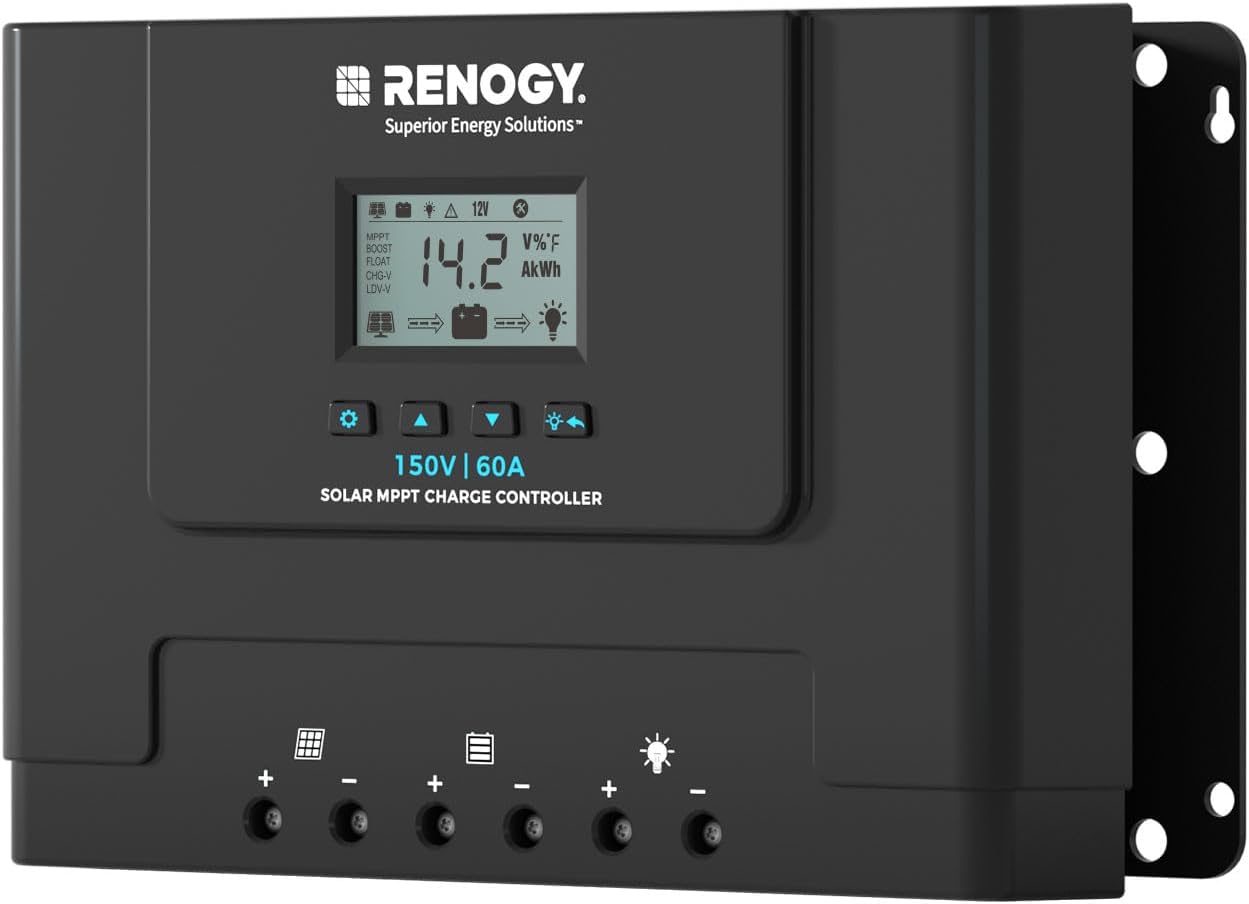
The cleanest no-drill path is the rear cargo door on the 20X or the cabin window on the 16X. Both let you run the 8mm cable straight to the Yeti, which lives under the gaucho bench. If you want to top off the Basecamp's house battery (the factory Group 24 or optional Battle Born LiFePO4), use a Goal Zero Yeti Link or a separate Victron BlueSolar 75/15 MPPT between the panel and the rig's 12V system - never connect the Boulder 200 directly to a lithium house battery without an MPPT controller. The Boulder's open-circuit voltage swings well above 21V and can confuse cheap PWM regulators.
For more detail on the wiring side, see our companion guide on no-drill Basecamp solar wiring, and if you're cross-shopping panels, our Boulder 200 vs Nomad 200 breakdown covers the rigid-vs-flexible tradeoff.
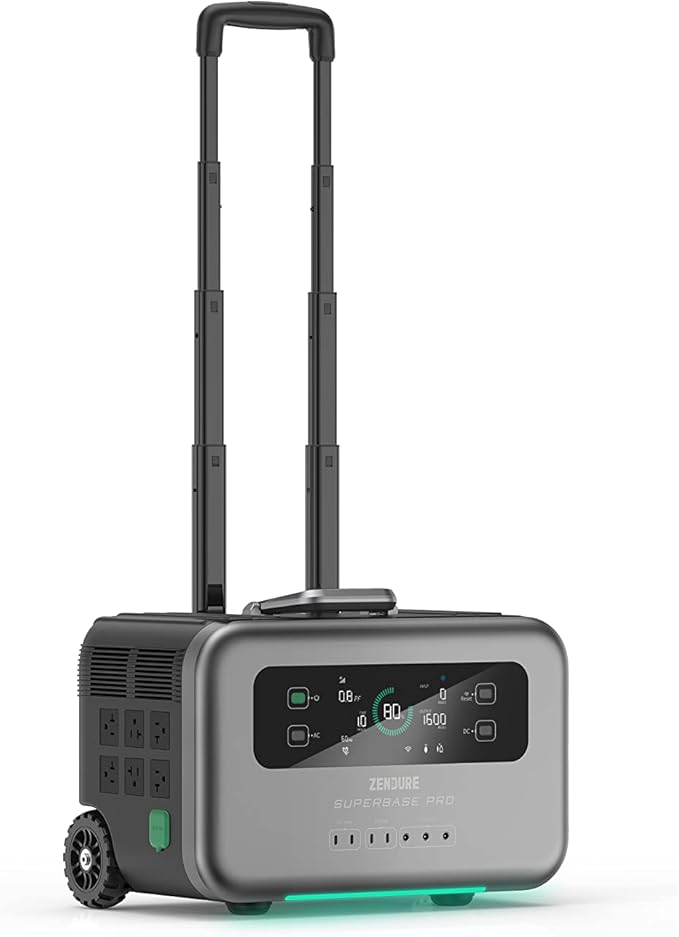
Zendure SuperBase Pro 2000 2096Wh Portable Power Station
- 2096Wh LFP battery
- 2000W AC output (4000W surge)
- Semi-solid-state battery, 10-year lifespan
Dispersed camping edge cases the spec sheet doesn't cover
Dust and pollen: a once-a-week wipe with a microfiber cloth recovers 5-12% of output that gets quietly lost to surface haze. High altitude (above 7,000 ft): UV intensity goes up but ambient temperature drops, and the Boulder 200 actually outperforms its sea-level rating on cold, clear days - we've seen 175W steady on snowy Colorado mornings. Wind: the kickstand legs are fine in 15-20 mph, but in gusty conditions weigh the bottom edge with a soft cooler or stake the panel down with two MSR Groundhogs through the kickstand holes.
Wildlife: the Boulder 200 is too big and reflective to interest most animals, but cables get chewed. Run the 8mm extension off the ground inside a piece of cheap split conduit if you're in marmot or porcupine country.
What about pairing with a smaller Yeti?
If you're running a Yeti 200X or 500X instead of a 1500X, the Boulder 200 is overkill on bright days - you'll hit the input limit and the panel will throttle. That's not damaging, but you're paying for watts you can't capture. A Boulder 100 Briefcase makes more sense if your Basecamp loadout never sees Starlink, an induction kettle, or a CPAP. We compare the two in our dispersed camping power budget guide.
Frequently Asked Questions
Can the Goal Zero Boulder 200 Briefcase charge an Airstream Basecamp house battery directly?
Not safely without a controller. The Boulder 200's open-circuit voltage exceeds 22V, which most factory Basecamp charge controllers aren't sized to accept. Run it through a Goal Zero Yeti (which has a built-in MPPT) or add a Victron 75/15 between the panel and the house battery. The Yeti path is simpler for most weekend dispersed campers.
How long does the Boulder 200 take to charge a Yeti 1500X for Basecamp dispersed trips?
About 10-11 hours of strong direct sun, or roughly 1.5 solid solar days. If you start the trip with a full Yeti and re-tilt the panel three times a day, you can sustain a 600-700Wh daily load - lights, fridge, phones, a few hours of Starlink - indefinitely in summer. Shoulder season drops that to about 500Wh sustainable.
Will the Boulder 200 Briefcase fit inside an Airstream Basecamp 16X?
Yes, just barely. Folded it's 40 x 26.75 x 3.5 inches. It slides behind the rear gaucho if you remove the cushion, or stands vertically against the wet bath wall during transit. The 20X has more flexible storage - it tucks into the rear cargo area without any rearranging.
Is a portable solar generator a good backup to the Boulder 200 on dispersed trips?
For multi-week dispersed camps where weather can swing, yes. A small 300W station with its own 60W foldable panel gives you a second independent solar circuit, so if the main Yeti goes down or runs flat overnight you've still got fridge and phone power. It also runs the Starlink Mini directly off DC without inverter losses.
Does the Boulder 200 work in partial shade under tree cover?
Performance drops sharply - monocrystalline panels are series-wired and a single shaded cell can cut output by 50% or more. For dispersed sites tucked under pines, pull the briefcase out to a clearing on a 30-foot extension cable rather than leaving it next to the Basecamp. Cable losses at the 8mm connector are negligible up to about 50 feet.
What's the best USB-C power bank to ride along with a Boulder 200 for Basecamp dispersed camping?
A 30,000-40,000 mAh USB-C PD power bank like the YELOMIN 38800mAh covers laptops, Starlink Mini, and tablets without spinning up the Yeti's AC inverter. That single habit saves 50-80Wh per day on a typical work-from-camp trip, which is most of a phone recharge.
Can I leave the Boulder 200 outside overnight at a dispersed site?
Yes, it's weather-rated against rain and dust, but pack it inside if hail is forecast - the tempered glass is tough but not hail-proof. Wind is the bigger concern; close the briefcase flat and weigh it with a rock or a water jug if gusts are above 25 mph.
Bottom line
For a goal zero boulder 200 airstream basecamp dispersed kit, the Boulder 200 Briefcase is the right ceiling of panel size: enough to cover a full daily load on a Yeti 1500X, small enough to actually deploy without a roof rack, and rugged enough to live behind the gaucho all season. Pair it with a 300W backup generator for redundancy, a USB-C power bank for laptops, a wireless multi-device bank for the family, and a basic everyday topper, and you've got a power kit that handles a two-week dispersed loop without a single trip to a campground hookup.
Key Takeaways
- Choosing the right goal zero boulder 200 airstream basecamp dispersed means matching capacity and output ports to your actual devices
- Always check actual watt-hours (Wh), not just watts — runtime depends on Wh, not peak output
- Also covers: boulder 200 briefcase airstream basecamp
- Also covers: airstream basecamp solar boulder 200
- Also covers: goal zero boulder 200 dispersed camping
- Compare price-per-Wh across models to find the best value for your budget