A renogy 100w suitcase solar setup for off-grid hunting cabins is the sweet spot between truly portable panels and permanent rooftop arrays: it folds flat for the drive in, props open on its built-in kickstand in any clearing, and delivers enough daily watt-hours to keep a 12V battery bank topped off for lights, a trail-cam hub, a small fridge, and device charging. For most one-to-three-day hunts in a remote cabin, a single Renogy 100W suitcase paired with a 50–100Ah deep-cycle battery, a quality charge controller, and one or two backup power banks will cover everything short of induction cooking or electric heat. Below we'll walk through sizing, wiring, mounting, and the specific gear we recommend stocking alongside the suitcase for a bulletproof off-grid power kit in 2026.
Why a 100W suitcase panel is the right call for hunting cabins
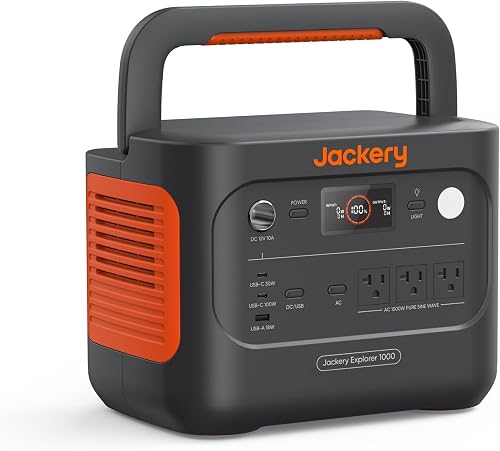
Jackery Explorer 1000 v2 Portable Power Station,1070Wh LiFePO4 Battery,1500W AC/100W USB-C Output, 1 Hr Fast Charge, Solar Generator for Camping,Emergency, RV, Off-Grid Living(Solar Panel Optional)
- 1070Wh LFP battery
- 1500W pure sine wave output
- ChargeShield 2.0 fast charging
Top Picks
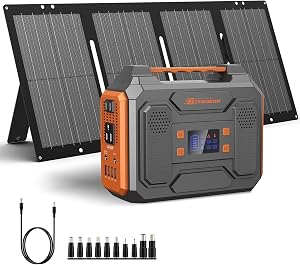
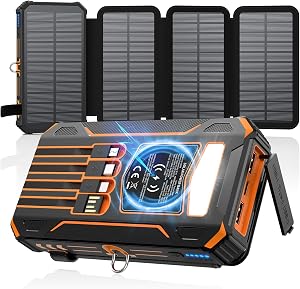
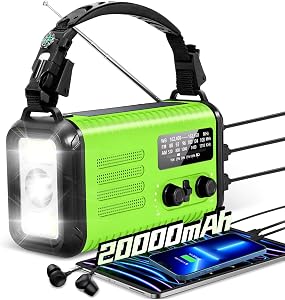
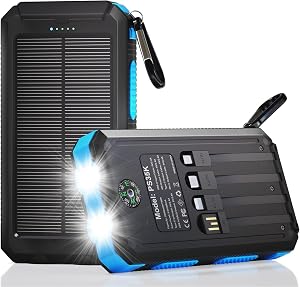
Hunting cabins tend to share three traits that make a folding suitcase panel ideal: they're rarely occupied (so storage matters), they sit under tree cover (so panel placement needs to chase sun gaps), and they pull modest, intermittent loads. A permanent rooftop array works against all three. A 100W foldable suitcase, by contrast, lives in a closet most of the year, deploys in 90 seconds when you arrive, and can be repositioned three or four times a day to dodge shade as the sun tracks across the ridgeline.
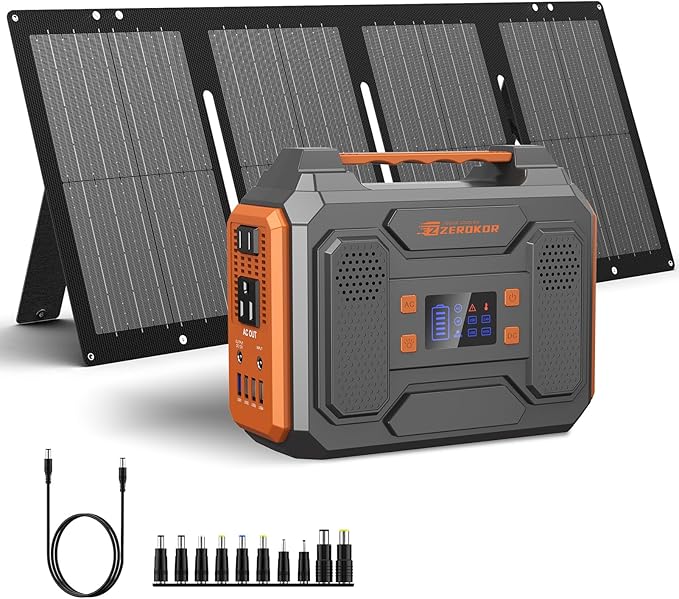
In real-world conditions — partial cloud cover, imperfect tilt, dusty glass — expect a 100W suitcase to harvest about 350–500 Wh per day in summer and 150–280 Wh in shoulder seasons. That's enough to run LED lighting all evening, charge two phones and a handheld GPS, power a small 12V fridge on duty cycle, and still leave reserve in a 50Ah battery the next morning.
What's in a complete off-grid hunting cabin power kit
A renogy 100w suitcase solar setup for off-grid hunting cabins is only half the system. The full kit looks like this:
- The 100W suitcase panel with integrated kickstand and (usually) a built-in PWM controller.
- An upgrade to an MPPT controller if you plan to run longer cable from panel to battery (10–30 feet is common at cabins).
- A 50–100Ah LiFePO4 or AGM deep-cycle battery housed inside the cabin.
- A small 300–500W inverter for AC loads like a laptop charger or CPAP.
- A portable solar generator as a redundant power source and the easiest way to charge devices without touching the main bank.
- Two or three high-capacity power banks for tree stands, blinds, and the walk back to the truck.
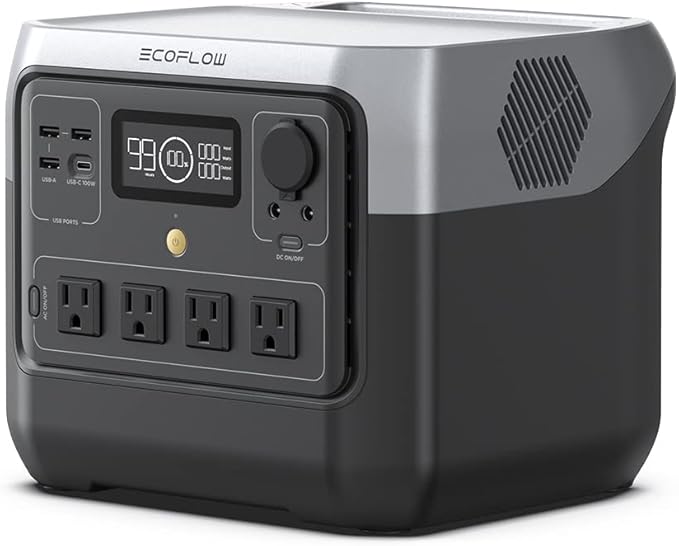
EF ECOFLOW Portable Power Station RIVER 2 Pro, 768Wh LiFePO4 Battery, 70 Min Fast Charging, 4X800W (X-Boost 1600W) AC Outlets, Solar Generator for Outdoor Camping/RVs/Home Use Blac
- 768Wh LFP battery
- 800W AC output (1600W X-Boost)
- Full charge in 70 minutes
Comparison: backup power for your cabin solar system
The suitcase panel handles bulk generation, but you still want self-contained battery units for the field and for cloudy stretches. Here's how the most useful backup options stack up:
| Product | Capacity | Best Role at the Cabin | AC Output | Solar Input |
|---|---|---|---|---|
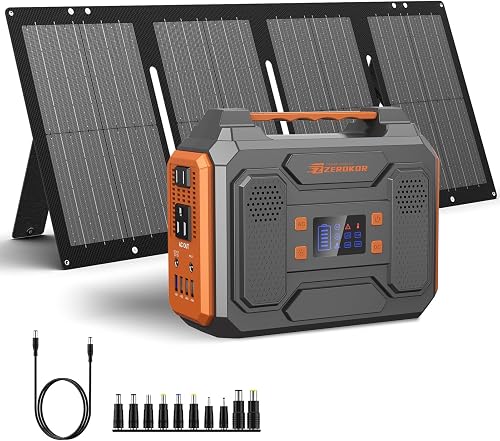
| Portable Solar Generator 300W + 60W Panel | ~300Wh | Redundant main bank / CPAP runner | Yes (300W) | Yes (60W panel included) |
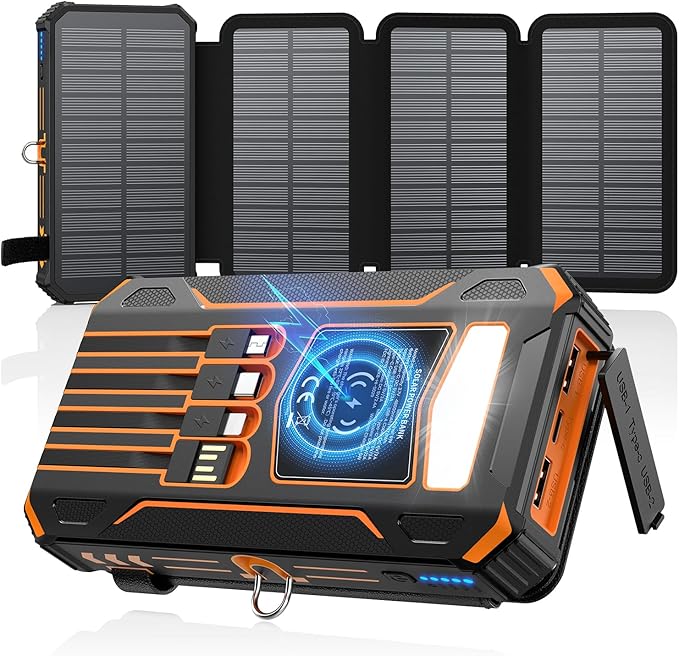
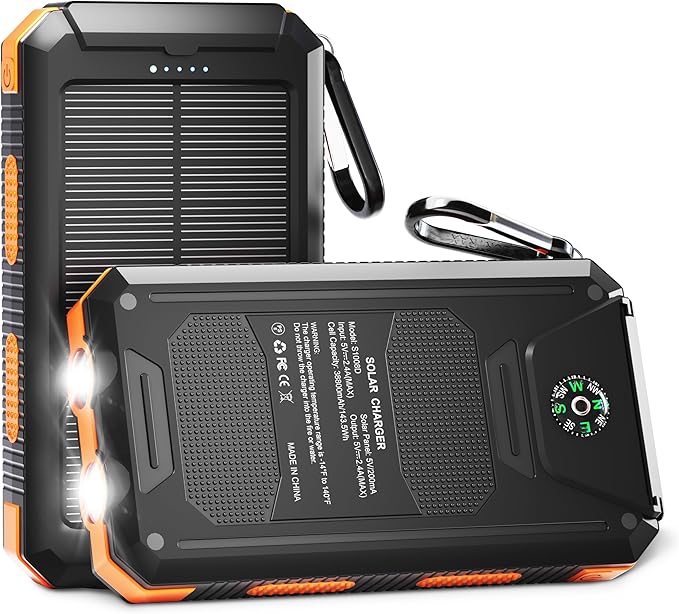
| Nymzixt 49,800mAh Solar Power Bank | ~184Wh | Long-trip device charging in the blind | No | Trickle (emergency) |
| SOARAISE 48,000mAh Solar Power Bank | ~178Wh | Headlamp / phone / GPS top-ups | No | Trickle (emergency) |
| YELOMIN 38,800mAh USB-C PD Bank | ~144Wh | Fast laptop / tablet charging | No | Trickle (emergency) |
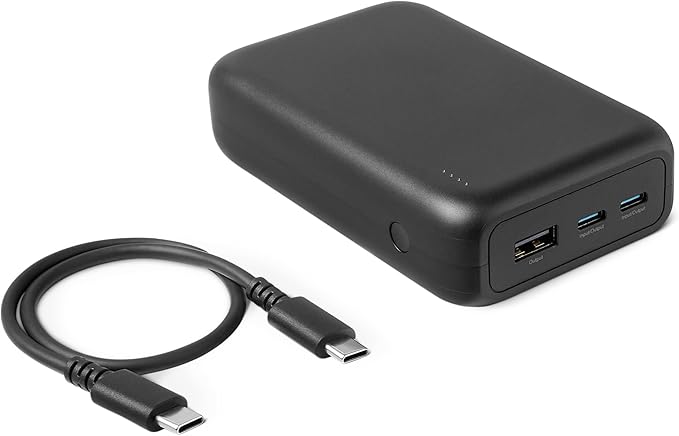
| Amazon Basics High-Capacity Power Bank | Varies | Backup for the backup | No | No |
Our recommended gear for the cabin kit
Portable Solar Generator 300W with Foldable 60W Panel — the redundant main bank
If a porcupine chews through your suitcase cable on day two (it happens), this little generator is what saves the trip. The 300Wh lithium battery is enough to run a CPAP for a full night, top off a 12V fridge several times, and keep every device alive. The bundled 60W foldable panel can recharge it in a single sunny day, so it doubles your harvesting capacity without doubling your footprint. We keep ours strapped to the inside of the cabin door so it's the first thing grabbed when arriving. Portable Solar Generator.
Nymzixt 49,800mAh Solar Power Bank — the all-day blind companion
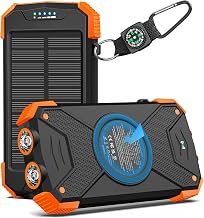
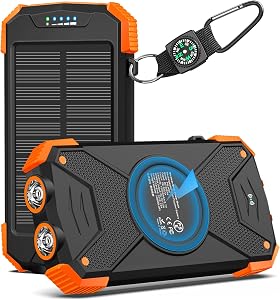
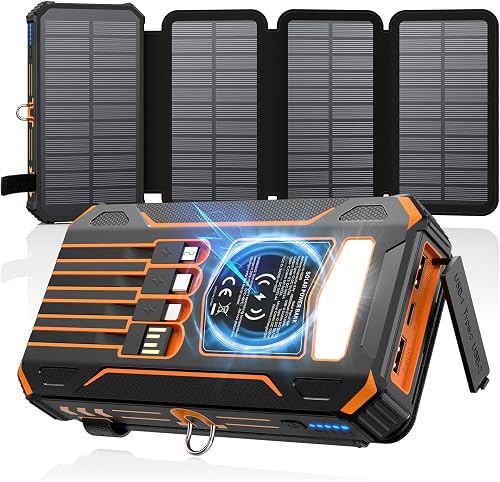
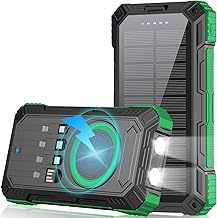
Wireless charging matters more than you'd think when your hands are cold and your fingers are stiff. The Nymzixt's Qi pad lets you drop a phone on top while you glass a meadow, and the 49,800mAh capacity is enough for four to five full phone charges, a headlamp top-up, and a rangefinder recharge — easily a three-day hunt without touching the cabin bank. The trickle solar panel on the case isn't a serious generator, but it'll buy you a few percent in an emergency. Nymzixt Solar Power Bank 49800mAh 22.5W QC3.0 Fast Charging Built in 4.
SOARAISE 48,000mAh Solar Power Bank — the second seat in the truck
We treat this one as the shared pack: it lives in the side pocket of whoever's going to the far blind. Similar wireless-pad design to the Nymzixt, but at a slightly lower price point, which makes it a smart "buy two" choice when you're outfitting a hunting party. Two SOARAISE banks plus the cabin's main 12V system means no one is ever rationing phone battery on the walk out. SOARAISE Solar Charger Power Bank.
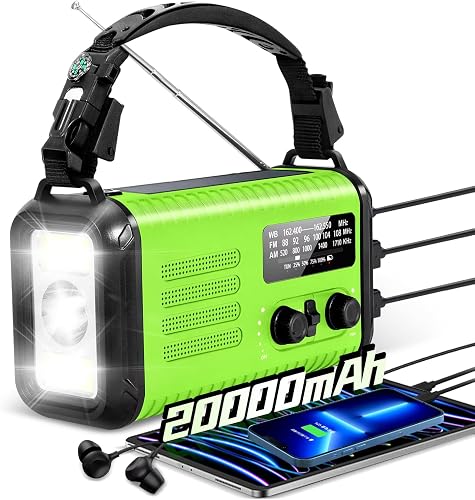
YELOMIN 38,800mAh USB-C Fast Charging — for laptops and tablets
If you run a laptop for mapping software, tag-out paperwork, or downloading trail-cam SD cards in the evening, USB-C PD is non-negotiable. The YELOMIN puts out enough wattage over USB-C to keep a modern laptop charging at a usable rate, which the wireless-pad banks above can't do. It's also the bank we hand to the friend whose phone uses USB-C exclusively. YELOMIN 38800mAh Solar Power Bank.
Amazon Basics High-Capacity Portable Charger — the glove box backup
Boring on purpose. This is the bank that lives in the truck and never comes out unless something else has failed. No solar panel, no wireless pad, no fast-charge gimmicks — just dependable lithium capacity at the lowest price per watt-hour of anything in the kit. Buy one and forget about it until the day you need it. Amazon Basics High-Capacity Portable Charger Power Bank with 3-Port.
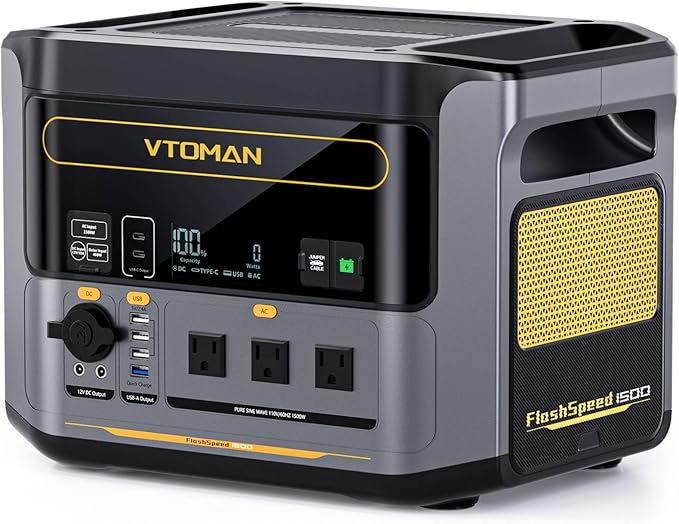
VTOMAN FlashSpeed 1500 Portable Power Station 1548Wh - Recharge 0-100% within 1H, LiFePO4 Battery Powered Solar Generator with 110V/1500W AC Output/Input, 100W USB Port for Camping
- 1548Wh LFP battery
- 1500W AC output (3000W surge)
- Charges 0–80% in under 1 hour via AC
Wiring the suitcase into your cabin
The Renogy 100W suitcase ships with alligator clips that clamp straight onto a battery, which is fine for a first weekend. For a permanent install, swap those for SAE or Anderson connectors so you can plug and unplug without thinking. Run 10 AWG cable from the panel to a wall-mounted MPPT charge controller, and from the controller to your battery bank with the shortest possible run — under three feet is ideal. Fuse both the panel-to-controller and controller-to-battery runs.
If the closest sun gap is more than 20 feet from the cabin, upgrade from the panel's built-in PWM controller to a dedicated MPPT unit. PWM controllers lose efficiency rapidly over long cable runs, while MPPT recovers most of that loss and squeezes another 15–25% out of the panel in cool weather.
Battery sizing for a renogy 100w suitcase solar setup for off-grid hunting cabins
Match your battery to your stay length, not your panel size. A 50Ah LiFePO4 battery (around 640Wh usable) covers a long weekend for two hunters running typical cabin loads. A 100Ah battery (around 1,280Wh usable) gives you a full week with margin, or two nights of completely overcast weather with no solar input at all. Avoid the temptation to oversize beyond that — a 200Ah bank takes more than two full sunny days to recharge from empty with just 100W of panel, which leaves you starting the next trip at a deficit if you didn't visit between hunts.
Cold-weather considerations
LiFePO4 batteries should not be charged below freezing without an internal heater, and most cabin spaces will hit that overnight in November. Buy a battery with built-in low-temp charge cutoff and self-heating, or position the battery bank inside an insulated enclosure with a small thermostatically-controlled heater. AGM batteries tolerate cold charging better but weigh more and offer fewer cycles.
Panels themselves love the cold — a 100W suitcase will often output above its rated wattage on a clear 20°F day. The problem is just keeping snow off the glass and angling steeply enough to shed it.
Mounting and security at the cabin
Two practical risks at unattended cabins: theft and bears. For theft, run a small cable lock through the suitcase frame to a tree or ground anchor — it won't stop a determined thief but it stops opportunists. For bears, store the suitcase inside the cabin when you leave; the kickstand and handle make it tempting to investigate, and a bear-rolled panel is a dead panel. Don't leave the suitcase deployed between trips even if the cabin is remote.
What this kit won't do
Be honest with yourself about loads. A 100W suitcase plus 100Ah battery will not run electric heat, an induction cooktop, a microwave for more than a few minutes, a hair dryer, or a window AC unit. It will run LED lights, a 12V fridge, a CPAP, device charging, a small water pump, and a laptop. If you need more, you're in the territory of a 400W rooftop array and 200–400Ah bank, which is a different article.
Related guides on our site
For more on off-grid power planning, see our best portable solar panels for camping in 2026, our deep dive on LiFePO4 vs AGM deep-cycle batteries, and our walkthrough on choosing between MPPT and PWM charge controllers.
Frequently Asked Questions
How many watts of solar do I actually need for a small hunting cabin?
For a one-to-three-night cabin trip with LED lights, a 12V fridge, device charging, and a CPAP, 100W of solar paired with a 50–100Ah deep-cycle battery is enough for most people. Double that to 200W only if you plan to stay a week without sun, or you're running an inverter for power-hungry AC loads.
Can a Renogy 100W suitcase solar panel charge a Jackery or similar power station?
Yes, as long as the power station's solar input accepts the panel's voltage (most 100W suitcases produce 18–22V open circuit) and you have the correct adapter cable — usually MC4 to 8mm or MC4 to Anderson. Bypass the panel's built-in charge controller and feed the panel directly into the power station, since the station has its own MPPT.
Will a 100W suitcase panel keep a 12V fridge running at a hunting cabin?
It will keep a small (35–45 quart) 12V compressor fridge running indefinitely as long as you're getting four-plus hours of decent sun per day and you have at least a 50Ah battery for overnight buffer. In sustained overcast conditions or under heavy tree shade, you'll need to either reposition the panel multiple times a day or supplement with a portable solar generator.
What's the difference between the Renogy 100W suitcase and two 50W foldable panels?
The suitcase is one rigid unit with a built-in kickstand and pre-wired junction box, which means faster setup and better durability — but it's heavier and takes more floor space when stored. Two 50W foldable panels are lighter and pack smaller, but you have to chain them with a Y-connector and they're more fragile in wind. For a fixed cabin location, the suitcase wins; for backpacking in, the foldables win.
Do I need an inverter for a hunting cabin solar setup?
Only if you have AC loads. A surprising amount of cabin gear runs on 12V DC directly — LED strips, fridges, fans, USB charging hubs — and skipping the inverter saves the 10–15% conversion loss. Add a small 300–500W pure sine wave inverter only if you have a CPAP, laptop charger, or other appliance that requires AC.
How long will a 100Ah battery last at the cabin without sun?
With a typical cabin load of around 200–300Wh per day (LED lights, fridge cycling, some device charging), a 100Ah LiFePO4 battery will run for roughly three to five days from full charge with no solar input. AGM batteries should only be drawn to 50% depth of discharge, so the same 100Ah AGM gives you about half that runtime.
Should I leave my solar suitcase set up between hunts?
No. Even at a remote cabin, leaving a deployed panel invites weather damage, bear curiosity, and theft. The whole point of a suitcase design is fast deploy and stow — take advantage of it. Fold the panel and store it inside the cabin, with the battery disconnected from the controller if you'll be gone more than a couple of weeks.
Key Takeaways
- Choosing the right renogy 100w suitcase solar setup for off-grid hunting cabins means matching the key features to your specific needs and budget
- Read real customer reviews and check the return policy before you commit
- Also covers: renogy 100w hunting cabin
- Also covers: solar setup remote hunting camp
- Also covers: off-grid cabin solar suitcase
- Compare value across models — the priciest option is not always the best fit